




Color us nostalgic.
Sony has brought back the MDR-3-series headphones that debuted in 1979 alongside the Walkman TPS-L2 cassette player.
Originally called the “MDR-3L2,” the first Walkman headphones were known for their sleek, adjustable gray plastic headband, which extendedshions. The lightweight, on-ear headphones are a contrast to the bulky headsets that are popular these days, which use wide, cushioned headbands for long-term comfort and large earcups that can support big drivers and are often heavily padded for noise isolation
The new MDR-3R (note the slightly different name) headphones look just like the originals and come with orange and blue ear cushions.
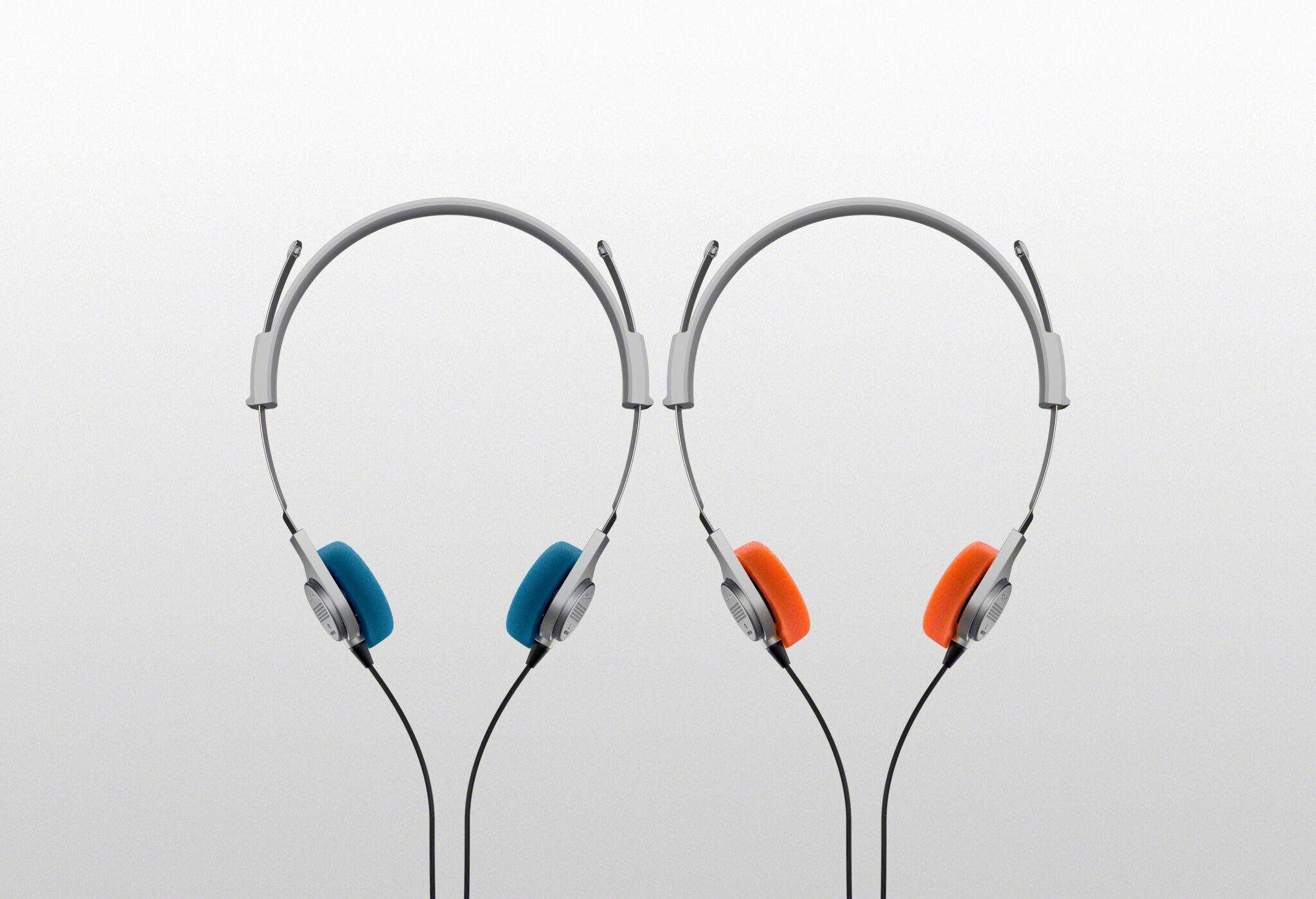 Closer look at the MDR-3R.
Credit:
Sony
Credit:
Sony
New headphones are often wireless these days, but the MDR-3R continues the wired tradition of the MDR-3, with an essential twist: a USB-C connector.
“The MDR-3R has been redesigned for modern use while preserving the experience value of freely taking music out into the world, which the original MDR-3 helped popularize,” Sony’s announcement says.
For better or worse, the new headphones also use “the same 23 mm driver units as the MDR-3 to reproduce sound quality close to the original,” per Sony. Audiophiles will prefer something more advanced, perhaps with additional acoustic features. A review of the new headphones from Gizmodo says that the MDR-3R headphones “hold their own,” have “bright and clear” mids and highs, and good stereo separation. However, we don’t expect strong bass.
Unlike their predecessor, the MDR-3R has an in-line remote control and an integrated microphone. Without noise-canceling, though, the microphone isn’t ideal for calls in noisy environments.
But nostalgic gear isn’t about having top-of-the-line capabilities; it’s about showing off your love of old-school tech while enjoying familiar technologies that have reliably served their functions for years.
The MDR-3R may also capitalize on surging renewed interest in wired headphones and even physical media and Walkmans. Today’s Walkmans aren’t cassette players, of course, but are Android-powered, touchscreen media players.
The headphones are available for $60.
Scharon HardingSenior Technology Reporter
Scharon HardingSenior Technology Reporter
Scharon is a Senior Technology Reporter at Ars Technica writing news, reviews, and analysis on consumer gadgets and services. She’s been reporting on technology for over 10 years, with bylines at Tom’s Hardware, Channelnomics, and CRN UK.
Source: arstechnica.com
