



Key environmental groups come out against bipartisan Baaja bill over fears it could spur datacenters and ICE jails
The Senate on Monday advanced bipartisan legislation aimed at speeding up permitting reviews for datacenters and other infrastructure projects, in the first major action since last week’s election that soundly repudiated Donald Trump and congressional Republicans.
It’s a bill that would make it easier to build big infrastructure projects in America – everything from fossil fuel pipelines to transmission lines that would add more clean energy to the grid. And it would roll back environmental and social protections to achieve this goal. That is why climate advocates are torn over the Bipartisan American Affordability and Jobs act (Baaja).
The Senate voted on Monday to open debate on Baaja in the first of several procedural votes. Senators voted 73-25 on the cloture motion, which did not result in the bill being passed, but pushed it another step forward.
Trump urged all senators to vote for the 417-page bill, which is sponsored by two Republicans and two Democrats in the Senate, but after last week’s historic “blue wave” elections, some environmental and tribal advocates called on Democratic leadership to pump the brakes.
Earthjustice, the Sierra Club and the ACLU have come out against the bill because it would significantly weaken environmental laws <a href="https://warsaw.today/korean-air-chicago-hanoi-vietnam-859-roundtrip-including-all-taxes/” title=”Korean Air: Chicago – Hanoi, Vietnam. $859. Roundtrip, including all Taxes”>including the National Environmental Policy Act (Nepa) and accelerate the construction of gas pipelines and ICE detention centers.
Indigenous groups held a press conference on Friday calling on senators to vote against Baaja because it would weaken the federal government’s legal obligation to consult tribes on projects that affect them.
“This is such an existential threat to Indian country,” said Mark Macarro, president of the National Congress of American Indians.
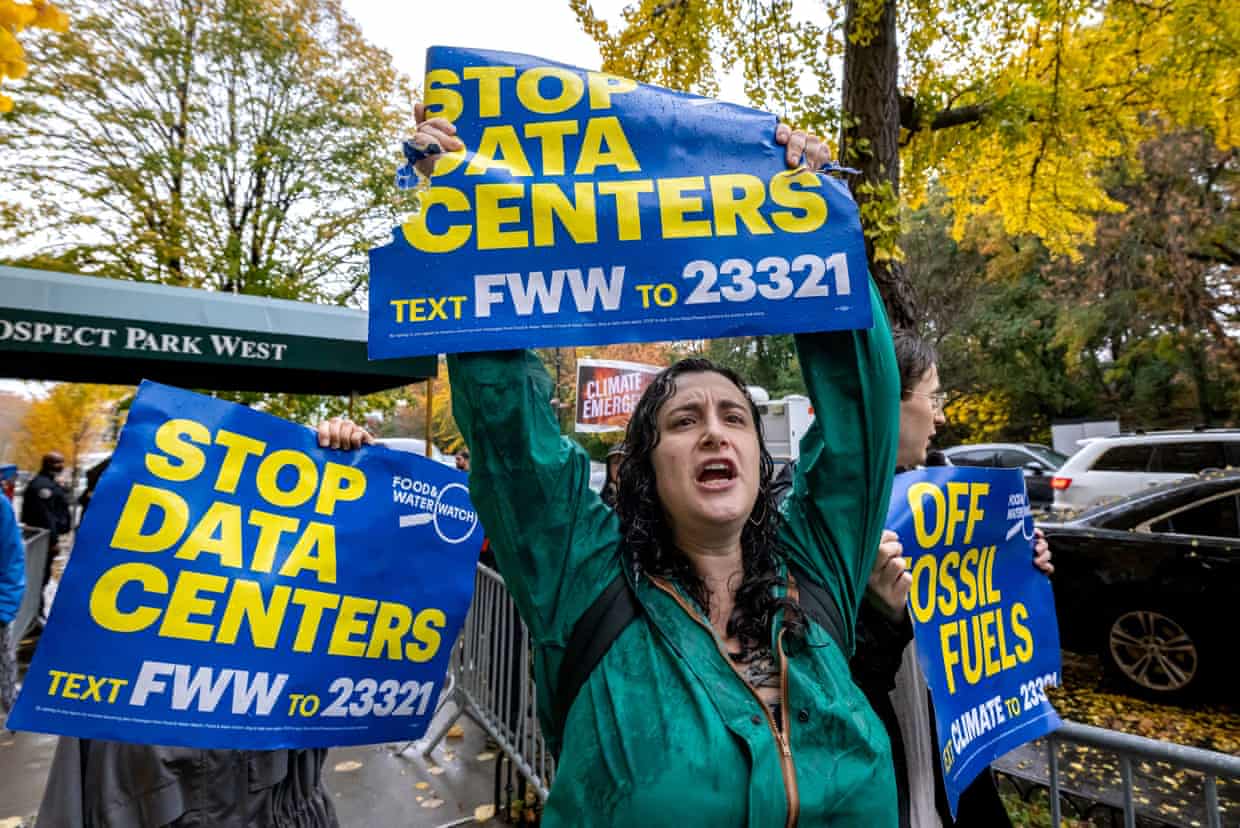
Protesters rallied outside Senate minority leader Chuck Schumer’s building on Friday over concerns that the bill could boost datacenters. “It would be highly ironic if, having won an election where datacenter opposition was at the front and center, the first act of Congress was to make it easier to build datacenters,” said Bill McKibben.
Democrats elected in the blue wave will not take their seats until January, so the bill’s proponents still have time to rush it through the Senate, and technically there is time for it to pass in the House before new Congress and go to Trump.
But midterm success for the Democrats is dialing up the political friction. House minority leader Hakeem Jeffries, expected to be the House speaker in the new Congress, said the bill “falls short in several areas”, including failing to protect tribal sovereignty, and he would not “rubber-stamp legislation without more constructive involvement with our caucus”.
Earlier on Monday, the bill’s Democratic sponsors, Senators Martin Heinrich and Sheldon Whitehouse, said they had the votes to pass the bill. Heinrich said they had made last-minute changes to ensure tribal consultation, and they believed the bill would favor renewables over fossil fuels. “If we can create an open, competitive level playing field, clean is cheap, and cheap wins in the marketplace,” Heinrich said.
Whitehouse, who wore a tie with wind turbines on it, argued that passing the bill would set the stage for Democrats towork onclean energy policies next year with majorities in the House and Senate. “People should just cool their jets and have a little faith that this is not the end of the story,” he said.
Proponents of Baaja say it is needed because it takes too long to build large projects in America and the bill shortens timelines. It simplifies federal rules for building interstate transmission lines, it narrows what gets reviewed under the National Historic Preservation Act and limits tribal consultation, it limits the use of the Clean Water Act, shortens timelines for the Endangered Species Act, limits how the executive branch can interfere with federal permitting, and makes big changes to Nepa such as changing what requires Nepa review and who has standing to sue.
Baaja would expand fossil fuels
The fossil fuel industry is backing Baaja. The American Petroleum Institute (API) hailed the bill as “a historic opportunity” and called on congress to “finish permitting reform this year”.
“It creates a very accelerated fast track for gas pipelines,” said Earthjustice Action’s president, Abbie Dillen. “The gas industry is extraordinarily excited about this because they are interested in expanding existing pipeline capacity to get more liquefied natural gas out for export, and to be feeding power-hungry datacenters with gas.”
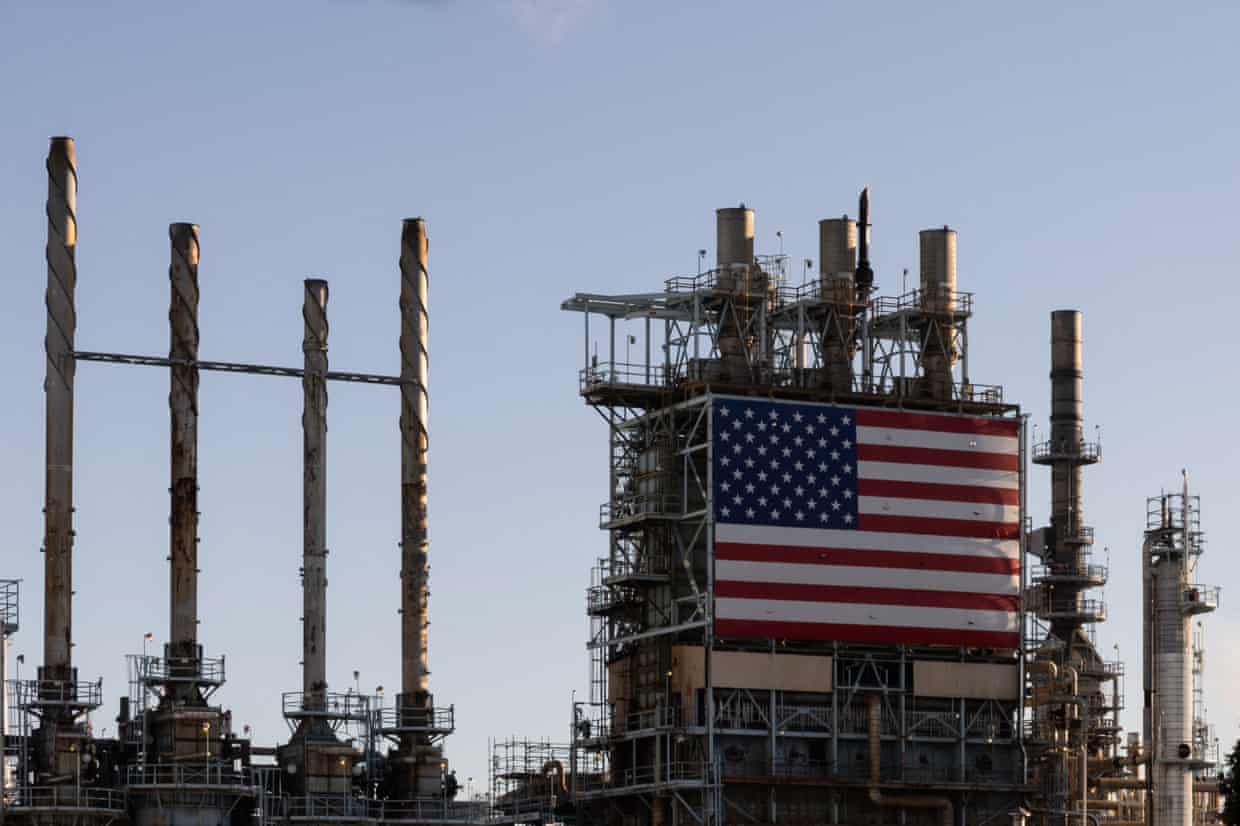
The bill could help pave the way for the Constitution gas pipeline that Williams Companies is trying to build through New York. The state denied the project’s water quality permit in 2016, but the company has revived the project under the Trump administration. The proposed pipeline could benefit from the bill’s changes to the Clean Water Act.
Baaja could also enable construction of gas pipelines in the west. Fossil fuel advocacy group Western States and Tribal Nations wants to build gas pipelines to feed domestic datacenters and export LNG from the west coast. During a 3 November election day meeting with Wyoming’s Sweetwater county board of commissioners, the advocacy group’s president, Andrew Browning, said he was talking to lawmakers about the bill: “The permitting bill’s a huge thing … We’re going to need that for everything we’re envisioning and building out.”
How the bill would increase clean energy
Some clean energy advocates want the bill to pass because it would connect renewables to the grid. Wind, solar and battery storage are now cheap to build, but the country lacks the necessary transmission lines to bring clean energy where it’s needed.
Interstate transmission lines can take a decade to get built, and energy projects also face a bottleneck in connecting to the grid. At the end of 2025, 2,060 GW of total generation and storage capacity were waiting in a queue to connect to the grid.
Ben King, energy and climate director at Rhodium Group, said Baaja would reform the interconnection queue process and unlock the ability to build the transmission that is needed. “We’re at a pretty low point for policy support for clean [energy],” he said, referring to Trump’srepeal of clean energy tax credits. “[Baaja] sets up the ability to build stuff more quickly for when the next wave of climate policy happens.”
Many experts have modeled what the bill would do to emissions, but there is a lot of uncertainty on that question. Rhodium Group’s analysis found that domestic emissions go down if Baaja passes. But another model by the Purdue engineering professor Kevin Kircher found it would increase domestic emissions.
Kircher said the optimistic case for Baaja is that there’s a huge amount of clean energy ready to go, and if we get rid of the long queues and regulations, “level the playing field and let it rip”, then clean energy wins on the economics. “I think that understanding is outdated,” he said.
What the bill does to emissions partly depends on what type of energy gets connected to the grid. Rhodium Group assumed, based on a report from 2025, that 85% of the capacity added to the grid would be renewables. But Kircher said some grid operators have updated their queues this year to remove redundant and speculative offers. (PJM’s queue as of 3 August looks quite gassy.)
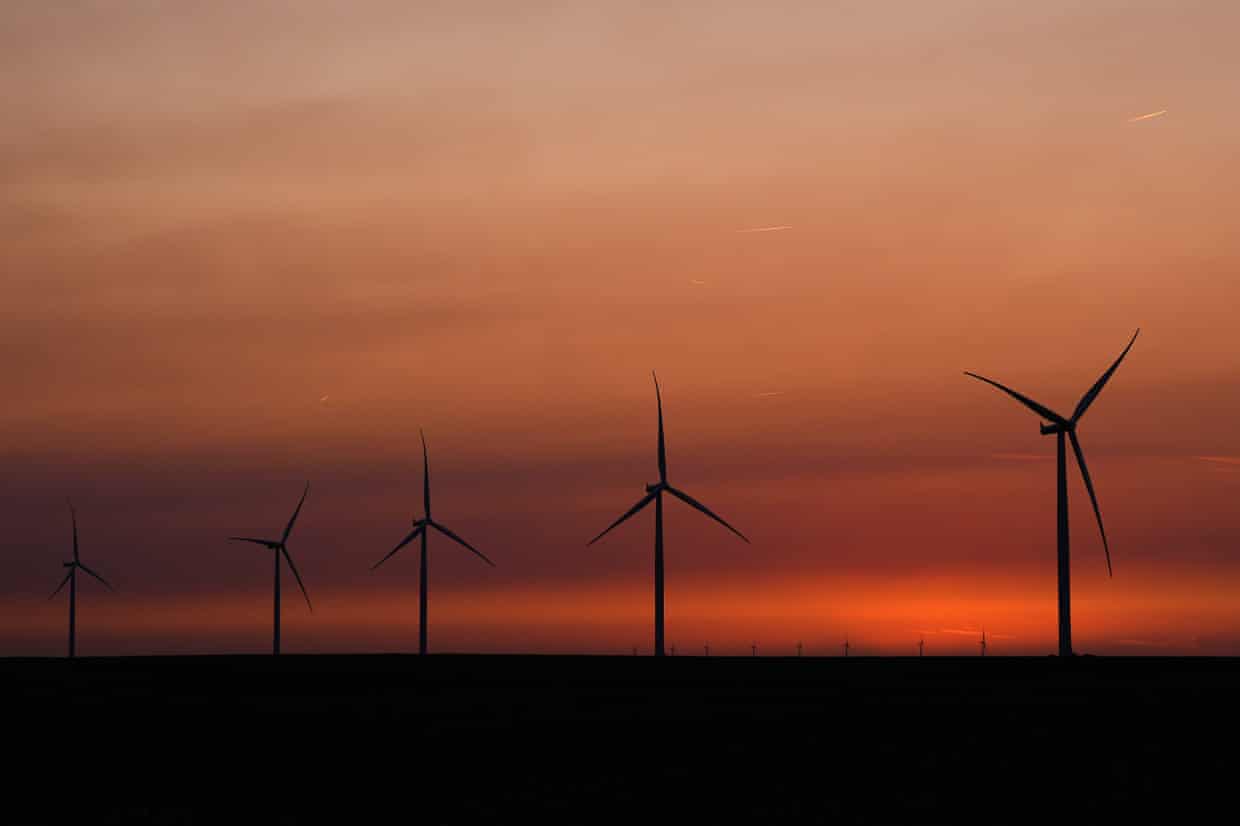
King said the economics show an impressive decrease in the cost of renewables, while fossil fuels are not getting any cheaper. “Some of it is just a bet on what’s going to win out in the future,” he said. “Our modeling suggests that clean stuff is going to dominate energy expansion for the foreseeable future, and there might be people who have a different view on that. API might have a different perspective – they might bet that there’s more room for them to grow.”
Kircher emphasized that the various models have not had time for peer review since the bill was first introduced on 30 September. “We need to have some humility in recognizing that the process of taking that 417 pages of super dense legal text and mapping it … is extremely complicated and full of uncertainties,” he said.
What the bill would do to Nepa
The bill would significantly reduce the scope of Nepa. It would narrow the definition of a “major federal action” that would trigger Nepa review, and effectively eliminate the authority of courts to enforce Nepa compliance.
Nepa is the powerful law that attorneys used to block the Trump administration’s plans to convert 11 mega-warehouses into massive ICE detention centers. If the bill passes, it could accelerate the development of ICE detention centers, according to a letter the American Civil Liberties Union sent to senators. “As written, this bill would hamper, if not altogether thwart, critical work by the ACLU and our partners to halt ICE’s dangerous expansion of immigrant detention,” the letter said.
Baaja’s passage would be “the single biggest overhaul” of American environmental laws since the 1970s, said Dillen of Earthjustice. “There are legitimate concerns that Nepa has been weaponized to slow down important projects, but people have recognized this problem for years, and the law has been reformed, and it’s also been weakened very significantly by the supreme court. What this bill does is take the last pieces of it that are very relevant in an administration like this,” she said.
Trump has pushed a “drill, baby, drill” fossil fuel agenda, and Baaja’s weakening of environmental regulations would further embolden him, Dillen said. She pointed to Trump’s plan to allow drilling near Chaco Culture national historic park, a Unesco world heritage site. “Chaco Canyon is in the crosshairs,” she said.
“At Earthjustice, we are deeply committed to building clean energy and to do it in a time frame that is meaningful, given the threats that we face. But the way to do this, the way to build our country better and even faster, is not by running over tribes and by emboldening a president who voters have just come out in a historic turnout to push back on,” Dillen said.
Explore more on these topicsReuse this content
Source: www.theguardian.com
