


Close Menu
Warsaw.Today
    What's Hot

    Protest leaders urge French pupils to keep barricading their schools

    October 26, 2026

    Is the Middle East’s security landscape shifting?

    October 26, 2026

    Watch out, YouTube; Instagram goes from short-form to 90-minute videos

    October 26, 2026
    Facebook X (Twitter) Instagram
    Trending
    • Protest leaders urge French pupils to keep barricading their schools
    • Is the Middle East’s security landscape shifting?
    • Watch out, YouTube; Instagram goes from short-form to 90-minute videos
    • Icelandair: Portland – Helsinki, Finland. $450 (Basic Economy) / $570 (Regular Economy). Roundtrip, including all Taxes
    • What Vucic’s defeat means for Serbia’s foreign policy
    • Cyprus signs $1.8bn deal to develop first gas field
    • Highway thieves are spoofing GPS to steal millions in data center-bound cargo
    • Delta partner Aeromexico unveils 3 new cities in US expansion
    Facebook X (Twitter) Instagram
    Warsaw.TodayWarsaw.Today
    Demo
    • Home
    • News
    • World
    • Sports
    • Business
    • Culture
    • Politics
    • Travel
    • Technology
    Warsaw.Today
    Home»News»Radio frequencies vital to Earth observation must be guarded, UN says
    News

    Radio frequencies vital to Earth observation must be guarded, UN says

    Peter NovakBy Peter NovakSeptember 28, 2026No Comments0 Views
    Facebook Twitter Pinterest LinkedIn WhatsApp Reddit Tumblr Email
    Radio frequencies vital to Earth observation must be guarded, UN says
    Share
    Facebook Twitter LinkedIn Pinterest Email

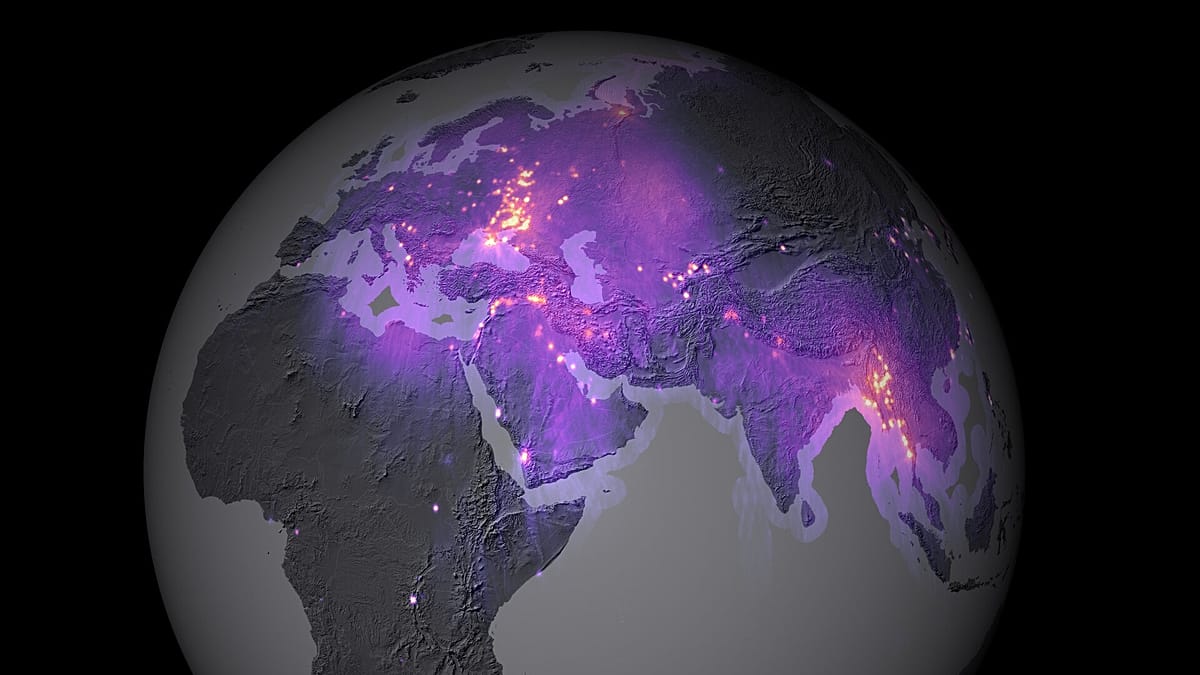
    The UN cautioned that radio frequency interference could disrupt measurements and compromise the reliability of forecasts, affecting authorities’ ability to prepare for and respond to environmental hazards.

    Radio frequencies needed for weather forecasts, early warning systems, climate monitoring and water management must be safeguarded against the growing threat of interference from emerging technologies, the United Nations said on Monday.

    Some sensors measure very weak naturally occurring signals at specific frequencies, making protection from harmful interference particularly important.

    The systems enable observations of the atmosphere, oceans and land, and the transmission of data that supports life-saving early warnings, reliable weather forecasting and long-term climate monitoring.

    But the UN telecommunications and weather agencies warned on Monday that increasing use of frequencies by other radio communications services, including wireless and satellite services, was raising the risk of interference affecting the frequency bands required for such systems.

    They cautioned that radio frequency interference could disrupt measurements, reduce data quality or availability and thereby compromise the reliability of forecasts and alerts, affecting authorities’ ability to prepare for and respond to environmental hazards.

    Meeting in Geneva this week for an expert seminar, the International Telecommunications Union (ITU) and the World Meteorological Organisation (WMO) are calling on governments and regulatory authorities to protect access to frequencies vital for meteorology.

    “As we speak, satellites are measuring changes in our oceans and our atmosphere,” ITU head Doreen Bogdan-Martin told Monday’s event.

    “Radars are tracking storms as they develop,” she explained, including the powerful Nor’easter storm that lashed her home region in the heavily populated US Northeast corridor at the weekend, knocking out power for thousands and killing at least one person.

    Unique forecasts

    “Interference-free spectrum keeps weather forecasts accurate, emergency alerts and warnings timely and climate data reliable so communities can prepare, respond and build resilience,” Bogdan-Martin stressed.

    “Preventing harmful radio interference is a matter of public safety and can save lives.”

    Weather radar, lightning location systems, aircraft and marine observation, hydrological monitoring and other vital systems all rely on these frequency bands to collect and exchange data.

    Speaking to Monday’s gathering, WMO chief Celeste Saulo described how the systems worked.

    “A storm reveals itself in the faint natural signals it emits and in the echoes returned by the signals we send to prove it,” she said.

    “Essentially, all of this happens because there is a physical relation between the size of a droplet and the size of ice crystals in the clouds and the frequency spectrum,” she pointed out.

    These frequencies, she said, “enable observations that no other frequencies can provide.”

    “These bands must be protected.”

    Source: www.euronews.com

    Earth frequencies observation radio vital
    Share. Facebook Twitter Pinterest LinkedIn Tumblr Telegram Email
    Peter Novak
    • Website

    Related Posts

    Is the Middle East’s security landscape shifting?

    October 26, 2026

    Cyprus signs $1.8bn deal to develop first gas field

    October 26, 2026

    Microsoft offers around 60,000 employees voluntary buyouts

    October 26, 2026
    Leave A Reply Cancel Reply

    WARSAW WEATHER
    Economy News

    Protest leaders urge French pupils to keep barricading their schools

    By Peter NovakOctober 26, 20260

    Activists say struggle must go on until their ‘maximum’ demands are met over teacher shortages and building repairs

    Is the Middle East’s security landscape shifting?

    October 26, 2026

    Watch out, YouTube; Instagram goes from short-form to 90-minute videos

    October 26, 2026
    Top Trending
    Technology

    Truecaller takes its scam intelligence to the open web as it looks beyond caller ID

    By Peter NovakSeptember 28, 20260

    After more than a decade building a caller ID business serving over 500 million users, Truecaller is now taking the scam intelligence it gathered along the way to the open web, with no app or sign-in required.

    News

    Taylor Swift and Madonna dominate top awards

    By Peter NovakSeptember 28, 20260

    Taylor Swift has broken yet another record by becoming the most-awarded artist in MTV VMA history.

    News

    Serbia’s president resigns to run for prime minister in snap vote

    By Peter NovakSeptember 28, 20260

    Serbia’s President Aleksandar Vučić resigned on Sunday to pursue a bid to become prime minister in upcoming snap parliamentary elections that will test his rule in the Balkan country, which was rattled by nearly two years of protests.

    Subscribe to News

    Subscribe to receive the latest breaking news, local updates, and top stories from Warsaw delivered to your inbox.

    Warsaw.Today is your trusted source for breaking news, local updates, business, politics, technology, sports, culture, and events from Warsaw, Poland—all in one place.

    Facebook X (Twitter) Instagram Pinterest YouTube

    Protest leaders urge French pupils to keep barricading their schools

    October 26, 2026

    Is the Middle East’s security landscape shifting?

    October 26, 2026

    Watch out, YouTube; Instagram goes from short-form to 90-minute videos

    October 26, 2026

    Subscribe to Updates

    Subscribe to receive the latest breaking news, local updates, and top stories from Warsaw delivered to your inbox.

    © 2026 ThemeSphere. Designed by ThemeSphere.
    • About Us
    • Get In Touch
    • Disclaimer
    • Privacy Policy
    • Terms and Conditions

    Type above and press Enter to search. Press Esc to cancel.