



About a third of cases involved chemicals banned for use on EU farms, according to investigation by Unearthed and Public Eye
Pesticides sold by European chemical companies were named in more than 1,600 poisoning reports in Brazil last year, an investigation has found.
About a third of the cases involved chemicals banned from use on farms in the EU because of the risks they pose to people and the environment. But European companies are not banned from manufacturing these chemicals, as long as they export them overseas to countries where they are legally allowed to be used.
Analysis of Brazilian health ministry data by Unearthed and Public Eye in a report published on Tuesday found that of 2,857 poisoning reports that named an identifiable agricultural product, 1,605 named brands sold by European pesticide companies.
Farm workers in Brazil have described their flesh rotting, skin burning, difficulty breathing and vomiting after using the chemicals at work, according to the report. A small number have died accidentally or killed themselves by drinking the pesticides.
Under Brazilian law, reports must be submitted by healthcare professionals to Brazil’s national disease notification system in all suspected pesticide poisoning cases. These reports can be marked “confirmed” poisoning or “exposure” only by the doctor or nurse who saw the patient.
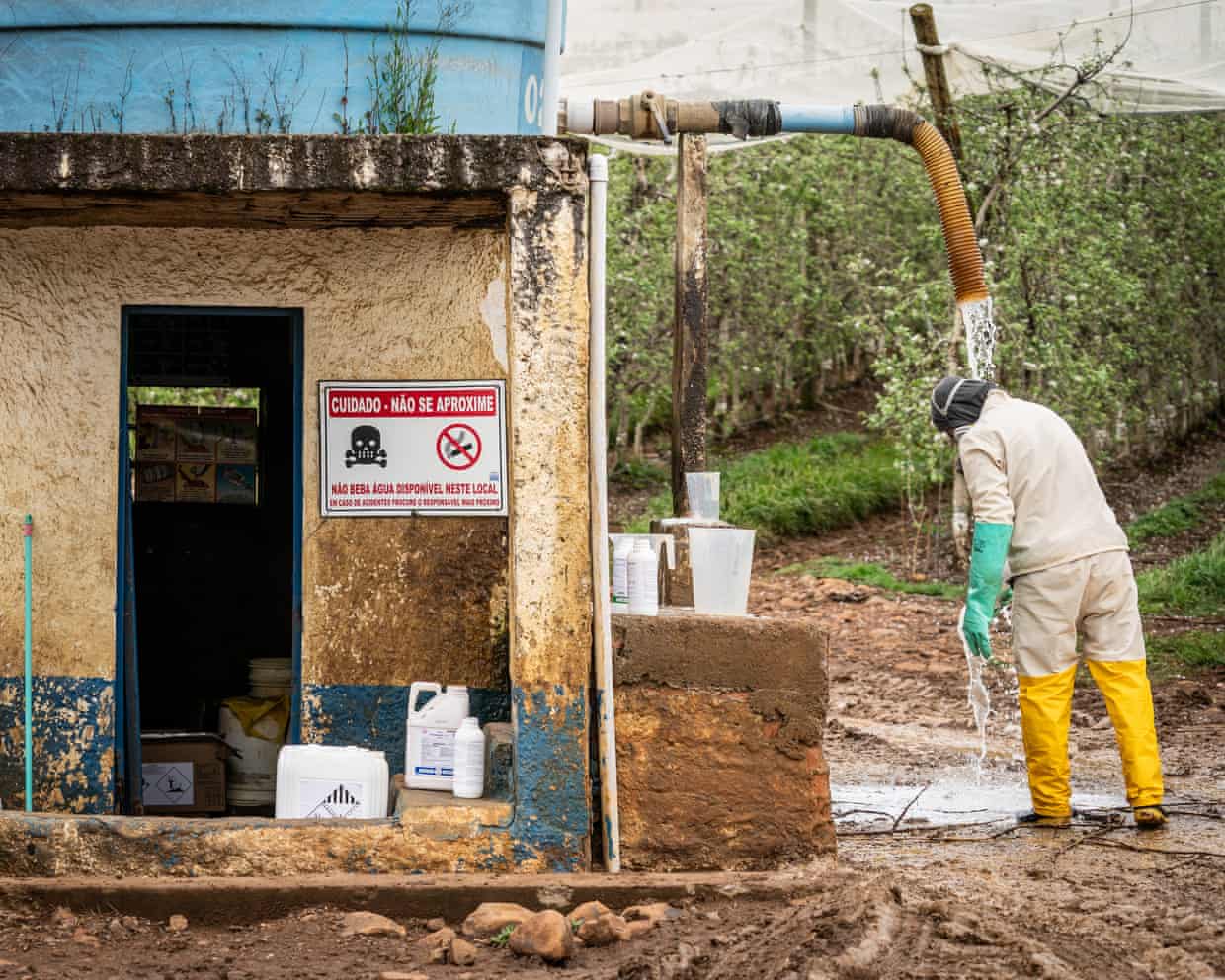
Clinicians sometimes record cases as exposure when they lack the training or support to confirm a diagnosis, but are presented with a patient who says they have been exposed to pesticides or present symptoms of pesticide poisoning. Laboratory confirmation is rare, so recording a diagnosis of “confirmed” poisoning usually depends on clinical judgment.
Experts say clinicians can be reluctant to confirm cases because of a lack of training or support. A brand being named in a poisoning report is not proof that it caused poisoning or death.
“The insufficient training of healthcare professionals to recognise and manage these cases is a major limiting factor,” said Vanda Garibotti, a public health biologist at the State Centre for Health Surveillance in Rio Grande do Sul, southern Brazil.
High staff turnover and a lack of institutional support meant poisoning cases were rarely confirmed through laboratory tests and often relied on clinical judgment, Garibotti added.
In more than 6,700 medical reports involving agricultural pesticides last year, 2,857 named an identifiable product. Of those, 1,420 were classified as confirmed poisonings. A further 1,108 were classified as exposures; for the remainder the classification was unknown or other diagnoses.
Some of the products are made in Britain. Reglone is the most frequently cited UK-made weedkiller. It contains diquat, a chemical that was banned in the UK in 2020 after experts concluded it posed a high risk to people living near fields where it was sprayed. Diquat is also found in other pesticides.
Despite the usage ban, Reglone is still manufactured by the Swiss-headquartered pesticides company Syngenta at its factory in Huddersfield for export to countries with more permissive regulations, including Brazil.

Nelson Castoldi died last year after accidentally ingesting Reglone on his family farm in Rio Grande do Sul. To save money, his family had bought the weedkiller in bulk, decanting a single litre into an empty cola bottle to avoid hauling a heavy 20-litre canister into the fields.
Working under the scorching sun, Castoldi mistook the black chemical for a soft drink and took a sip. Though he spat it out immediately, the chemical caused his kidneys to fail before attacking his lungs. He died two days later.
“We fell apart,” Ivan Castoldi said of his father’s death. “Four months after our father passed away, our mother also passed away. She cried day and night. She became depressive and had a stroke. She was left alone.
“That poison, Reglone, should be banned in Brazil,” he added. “Not because of what happened to us, but because of its toxicity.”
The Brazilian health ministry recorded 75 cases involving diquat last year, compared with 36 over the five years from 2018 to 2022.
The investigation found Reglone was specifically named in 44 reports, including four deaths. Of those cases, 26 were classified as confirmed poisonings and the rest were classified as exposure, unknown, or adverse reaction.
Dormex, a pesticide manufactured in Germany by Alzchem and distributed in Brazil by the German chemical company BASF, is another product workers said injured them or made them ill.
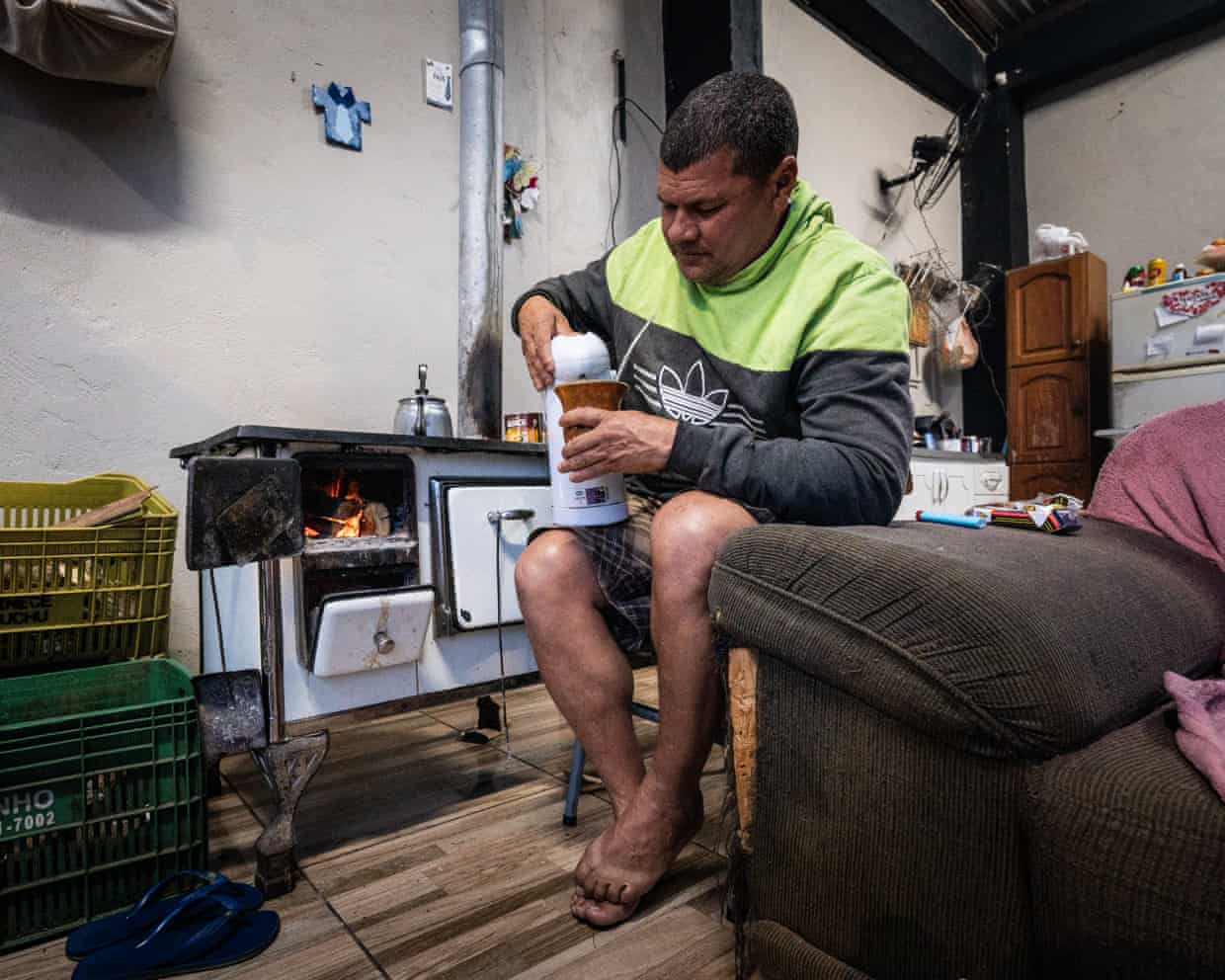
Sidnei Souza de Oliveira, 49, suffered a severe injury after a jug of Dormex spilled on his leg while he was filling a sprayer. The handle broke as he was transferring the chemical into the tank. At first, his leg turned red, and he continued spraying.
He carried on working for four days before going to hospital. “After 15 days, my leg was black. Chunks of flesh were falling off,” Oliveira said. A doctor said the injury was serious and had to remove dead tissue to stop it spreading towards the bone.
Oliveira said the protective trousers supplied by his employer were thin and allowed the chemical to seep through. He said he had been afraid of losing his job if he stayed away from work for too long.
Dormex contains cyanamide, which was banned from use in the EU in 2008 because of concerns about its effects on human health, particularly among farm workers spraying the chemical. Analysis shows the Brazilian health ministry database recorded 17 confirmed poisonings involving Dormex last year.
Finale, a BASF product identified in the investigation, contains glufosinate, which was banned in the EU in 2018. Roundup – a glyphosate-based weedkiller manufactured by the German chemical company Bayer – was frequently cited in Brazilian poisoning reports, including 12 deaths.
Across all the poisoning reports identified by the investigation as involving products sold by European companies, there were 32 reported deaths. Of these cases, 31 were classified as confirmed poisonings, and 26 were recorded as suicides.
Syngenta products were cited 425 times in the poisoning reports, and BASF 179 times. The company figures are not mutually exclusive: some poisoning reports named products sold by more than one manufacturer.
Nina Schrank, a senior campaigner at Greenpeace UK, said the findings were a “deadly double standard”.
“If a pesticide is too dangerous to use in Britain, it should be too dangerous to export. Ministers must stop allowing Britain to be part of a production line for toxic chemicals that are putting lives at risk overseas.”
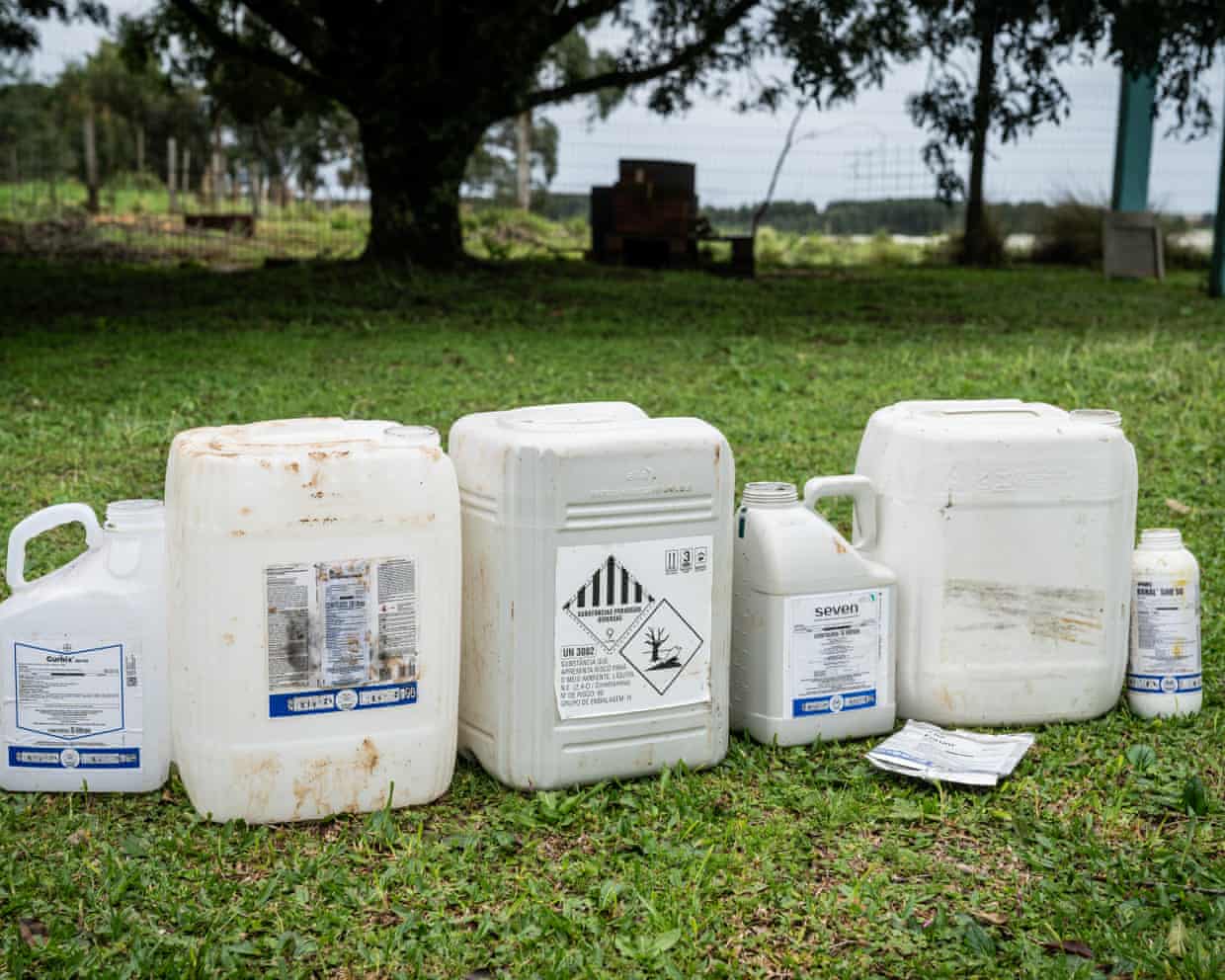
The EU’s pesticide approval system requires chemicals to meet strict standards for human and animal health and the environment. Diquat has been banned on EU and UK farms since 2019 and 2020 respectively, after experts concluded it posed a high risk to workers, people living nearby and birds. Cyanamide was withdrawn after an assessment found exposure among agricultural operators could exceed safe levels. Glufosinate, meanwhile, is classified in the EU as toxic to reproduction, meaning it can harm fertility or the development of unborn children.
Suicide prevention is also a factor. A 2020 study found national bans on highly hazardous pesticides could be a cost-effective intervention for reducing the number of people who kill themselves in countries with a high burden of suicides attributable to pesticides.
A Syngenta spokesperson said almost half the Brazilian cases attributed to the company were not classified as confirmed poisonings, adding: “Public Eye and Unearthed are aware of this but have explicitly chosen to disregard the dataset’s final classification.” The company accused the investigation of disregarding the dataset’s final classifications and identified “numerous other inconsistencies” that it said raised “serious concerns” that the evidence was “being selectively interpreted to support a predetermined conclusion”.
“There are real people behind these statistics. Every genuine case of poisoning matters, and every family affected deserves our concern,” the spokesperson added.
Syngenta said Brazil had its own “robust regulatory system” and that products banned in Europe could still be independently assessed and legally registered in the country, citing differences in crops, growing conditions and pest pressures. It said it trained 95,000 people in Brazil in the safe use of its products in 2025, including through free online courses.
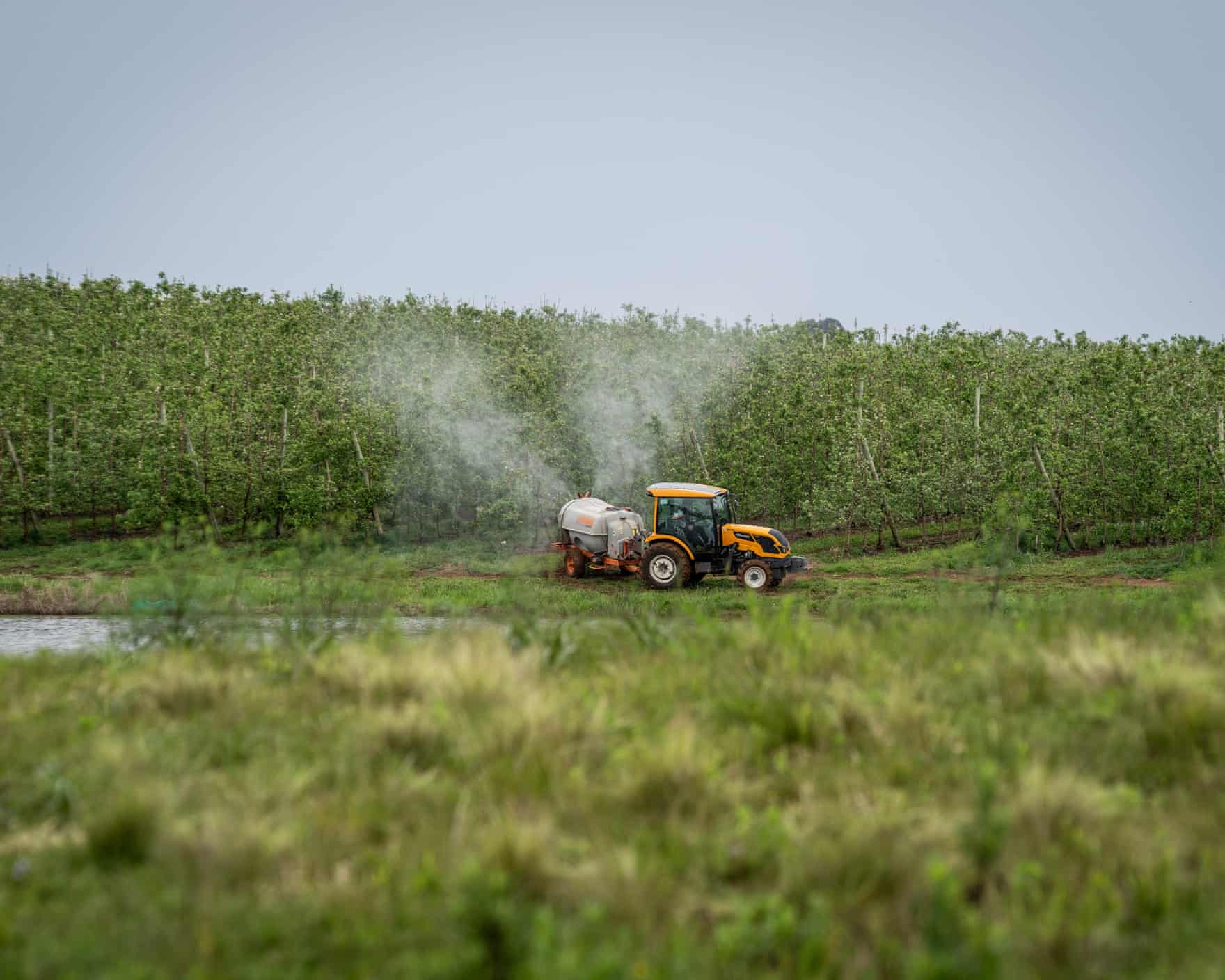
Bayer said its products were safe when used according to label instructions, citing what it described as rigorous testing and assessments by global health authorities. The company said it took pesticide poisoning seriously but questioned the reliability of the data, arguing that products and circumstances of exposure had not been independently verified, some chemicals may have been incorrectly identified and symptoms such as headaches and skin irritation could have other causes.
It said “Roundup” was “widely used as a generic term” that could refer to weedkillers made by other manufacturers or counterfeit products.
The company said it provided training on the safe handling and use of pesticides, including protective equipment, and that its programmes reached more than 4 million people globally in 2025. It also argued that a pesticide being banned in the EU did not necessarily mean it was unsafe, saying other countries had robust regulatory systems that took account of local agricultural conditions.
It added: “While the data presented helps to provide information on broad trends of exposure, the data has limitations and warrants caution when drawing conclusions, particularly when looking at individual cases.”
BASF said it was deeply concerned by reports of poisoning that might be linked to its products, adding that it took all such incidents seriously.
A spokesperson said publicly available information suggested some incidents might have involved the intentional ingestion of crop protection products, describing such acts as “deliberate misuse” of products intended exclusively for agricultural use.
BASF said it had global and local procedures to assess and investigate incidents potentially involving its products, and worked with authorities and experts where appropriate to understand cases and identify ways to prevent similar incidents. It said it invested in education and training to promote the safe handling and use of its products, with initiatives in Brazil reaching more than 14,475 participants in 2025.
The company said it was confident in the safety of its products when used in accordance with label instructions and applicable regulatory standards.
It added that Brazilian law required crop protection products to be handled and applied only by authorised and properly trained individuals, and said it took its responsibility for ensuring their safe use seriously.
Explore more on these topicsReuse this content
Source: www.theguardian.com
