



UK children’s minister Josh MacAlister has travelled to Copenhagen to see what can be learned from Danish system
In a quiet suburb on the outskirts of Copenhagen sits a large white house, set back from the road behind a purple-leaved plum tree. It looks much like the rest of the buildings on the street and there is little outward sign this is Josephine Schneider’s House, considered one of the best children’s homes in the world.
Danish children’s homes are often cited as the gold standard of children’s residential care globally. They are now being studied by the British government as it tries to create a roadmap out of the crisis in which its own children’s home system has become mired.
Last year there were 669 children living in illegal, unregistered children’s homes across England, with councils paying more than £125m of taxpayers’ money to keep them there.
Overall spending on children’s homes soared 96% in five years to over £3.1bn in 2023-24, while standards have dropped, private equity firms are cashing in and a growing number of children are being sent to homes hundreds of miles away.
The situation is dire, the children’s minister, Josh MacAlister, admits. “We now have this shadow system of unregistered, illegal homes, which is certainly not providing therapeutic support and the costs are huge,” he said. “We need big changes, a major shake up, and I spend as many hours as I can a week on children’s social care reform.”
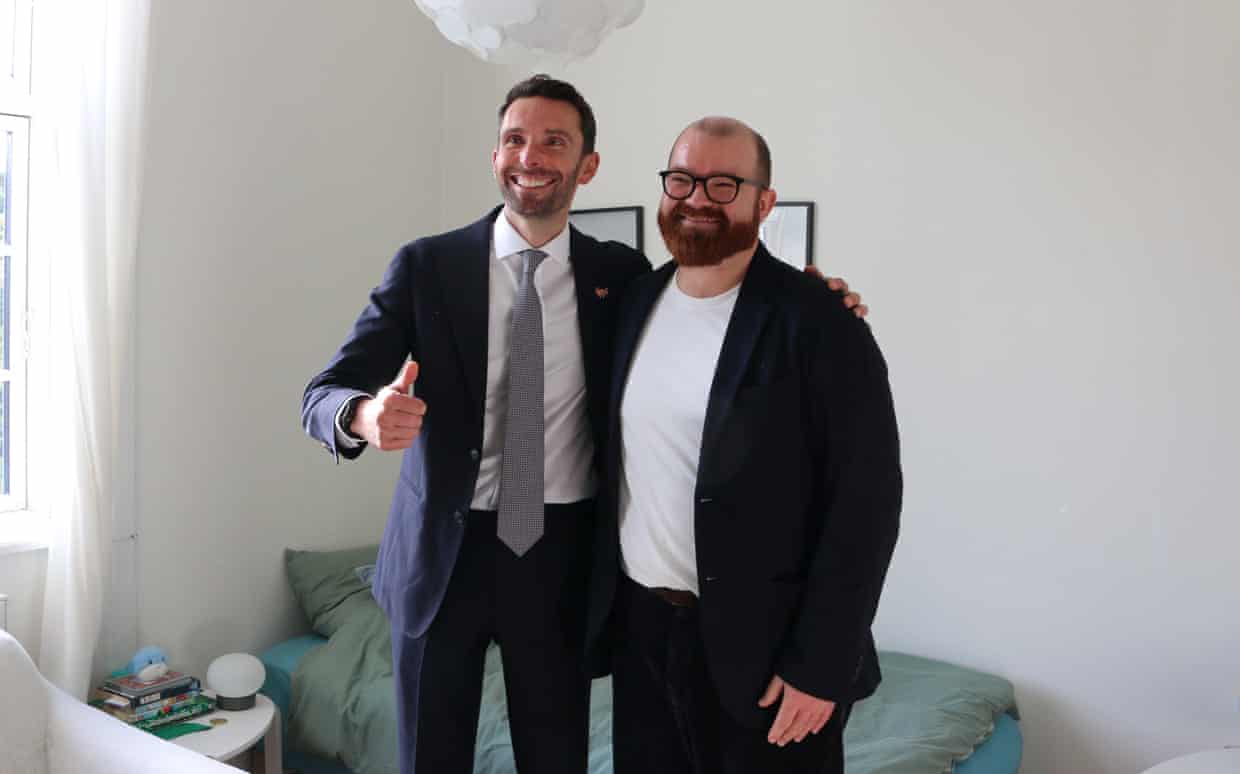
Earlier this week, MacAlister visited Denmark to see how its children’s homes operate and what can be exported back to England, as part of a Department for Education review into how the sector can be improved.
The 140-year-old Josephine Schneider’s House, which houses 12 children and young adults aged six to 23, is starkly different from many British equivalents.
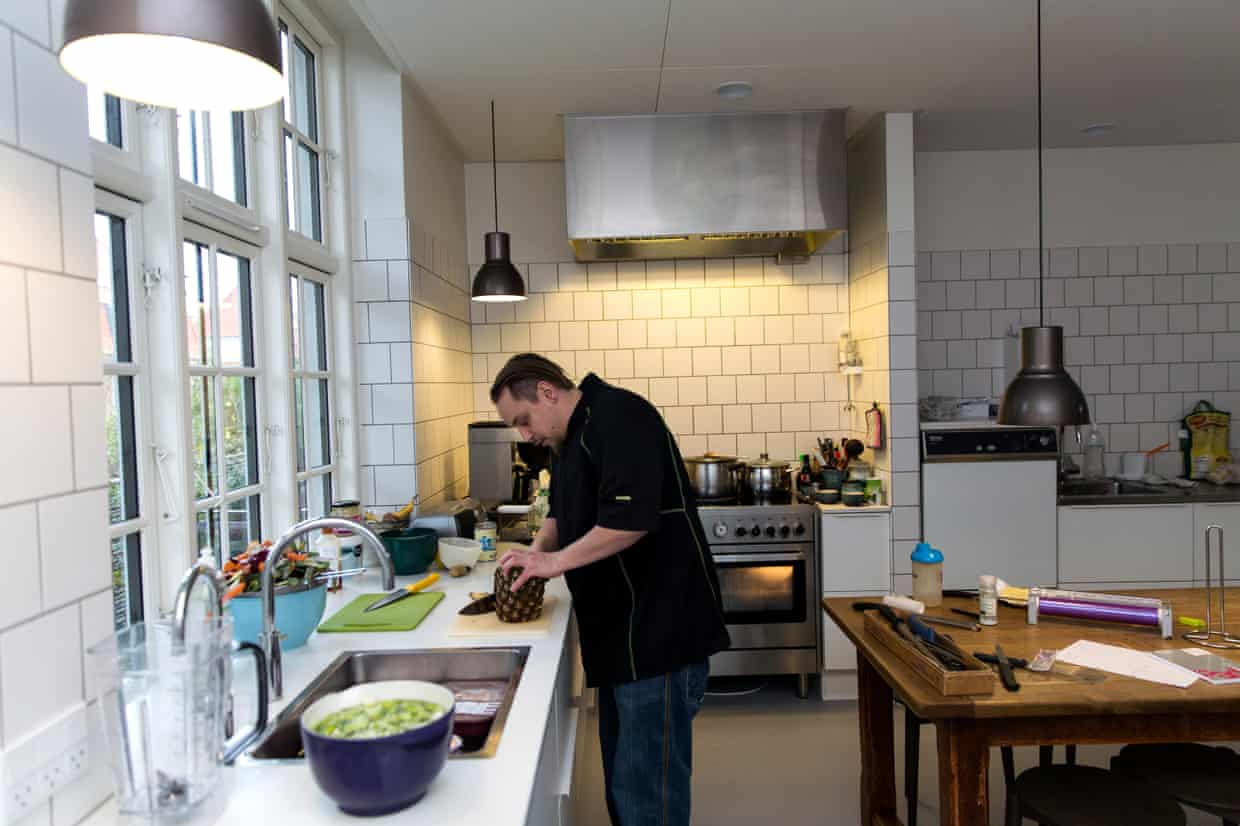
In the centre of the house is a spacious kitchen staffed by the head chef, Rasmus, who cooks the children’s meals, lunch boxes and after-school snacks – pizza rolls are a particular favourite. He works with the children himself, encouraging them to help make the food and come grocery shopping.
The rest of the staff are all degree-level professionals in social pedagogy, a discipline focusing on psychology, child development and ethics, and they strive to recreate a traditional family home by cooking, eating and socialising with the children.
“We don’t have an in-house therapist but everything we do is therapeutic,” said Mads Sørensen, deputy director of the home.
One member of staff sleeps in the house at night and wakes the children up each day at 7am. “We ask them how they like to be woken up, to help them feel safe and create that predictability, make their nervous system calm a bit,” Sørensen said.
Many of the children here have suffered physical, emotional and social neglect, and issues such as self-harm, insomnia and eating disorders are common.
Unlike children’s homes in England, where many children report being isolated and cut off from family and friends, here children are encouraged to have friends stay at the weekends and holidays, there are regular parents evenings, including a Christmas banquet.
Each child also has a team of two to three staff members working with them on their education and wellbeing. In a semi-independent flat on the top floor live the older residents, aged 17 and above, who have their own living area and kitchen as they start to transition into adulthood.
The young people buy their own food and do their own chores, under the guidance of staff, preparing them for independent life beyond the home. They are allowed to stay in the home up until the age of 23, and encouraged to return for regular visits beyond that age.
This is a far cry from children’s homes in England, which teenagers must leave as soon as they turn 18, part of the cliff-edge loss of support that is causing the early deaths of care leavers.
MacAlister said he may change this. “Getting rid of the really binary date of birth point to decide where you live is something I’m really persuaded by,” he said. “I hear of children being forced to move when they turn 18, even if they’re in the middle of sitting their A-levels. We have to move away from that.”
He also wants to import some of the culture from Danish children’s homes, particularly their focus on personal growth and maintaining family relationships.
“A lot of residential care in England is actually about adults containing their own anxiety and concerns about teenagers, and that’s a really poor model,” MacAlister said. “The first question is always ‘how do we protect ourselves from risk?’ which is not what we should be asking first. It’s very different here in Denmark.”
The quality of staff is crucial, and something at the heart of the ongoing review, which is being led by Emmanuel Akpan-Inwang, the director of Lighthouse Pedagogy Trust, which runs a children’s home in Sutton based on pedagogy principles.
“What’s interesting about Denmark is working in a children’s home is a career that people really want to do,” he said. “It’s competitive. Homes are able to select really great people. They support and train them. They stay in the sector for long periods of time.
“But we can’t simply lift and shift the system to England. The Danes have spent more than 40 years developing it. But we can learn from it.”
At Josephine Schneider’s House, many staff members have been there 10 years or longer. In the UK, about 53% of children’s home staff have worked in the sector for three years or less. Poor pay, working conditions and a lack of training force many to leave the sector early.
But underpinning Danish children’s homes is extensive state funding – a third of homes are publicly owned, 42% are not-for-profit and 27% are private profit.
The government has passed laws giving itself the power to intervene and cap profits by private providers but has yet to use it, with MacAlister saying they need to wait for a new “market oversight body” to provide full transparency of exactly how much money is being made before they can push ahead.
The government of Wales is moving more quickly, and will ban all for-profit providers in children’s social care by 2030. But MacAlister said it would not be easy to replicate this in England, where numbers are much bigger.
“We need to massively boost local authorities so they can take back control of the whole purchasing process, curb demand by making sure more children can live in foster homes or kinship arrangements, and shape a system on our terms, not one that is driven by profit,” MacAlister said.
Explore more on these topicsReuse this content
Source: www.theguardian.com

1 Comment
Pingback: All you need to know about Abdul El-Sayed v Mike Rogers - Warsaw.Today