



Inquest into the deaths of four babies after free and home births hears doula urged client to attend birth centre
-
Follow our Australia politics live blog for latest updates
-
Get our breaking news email, free app or daily news podcast
A doula who supported a free birth without any medical professionals present has told an inquest that she thought a self-described birth keeper who was assisting her was clinically trained.
The child, known in court as Baby R, died after the free birth. Baby R’s death is one of four being examined in a joint coronial inquest in Lismore, which has heard that three babies died after being born in free births, and a fourth during a home birth between 2022 and 2024.
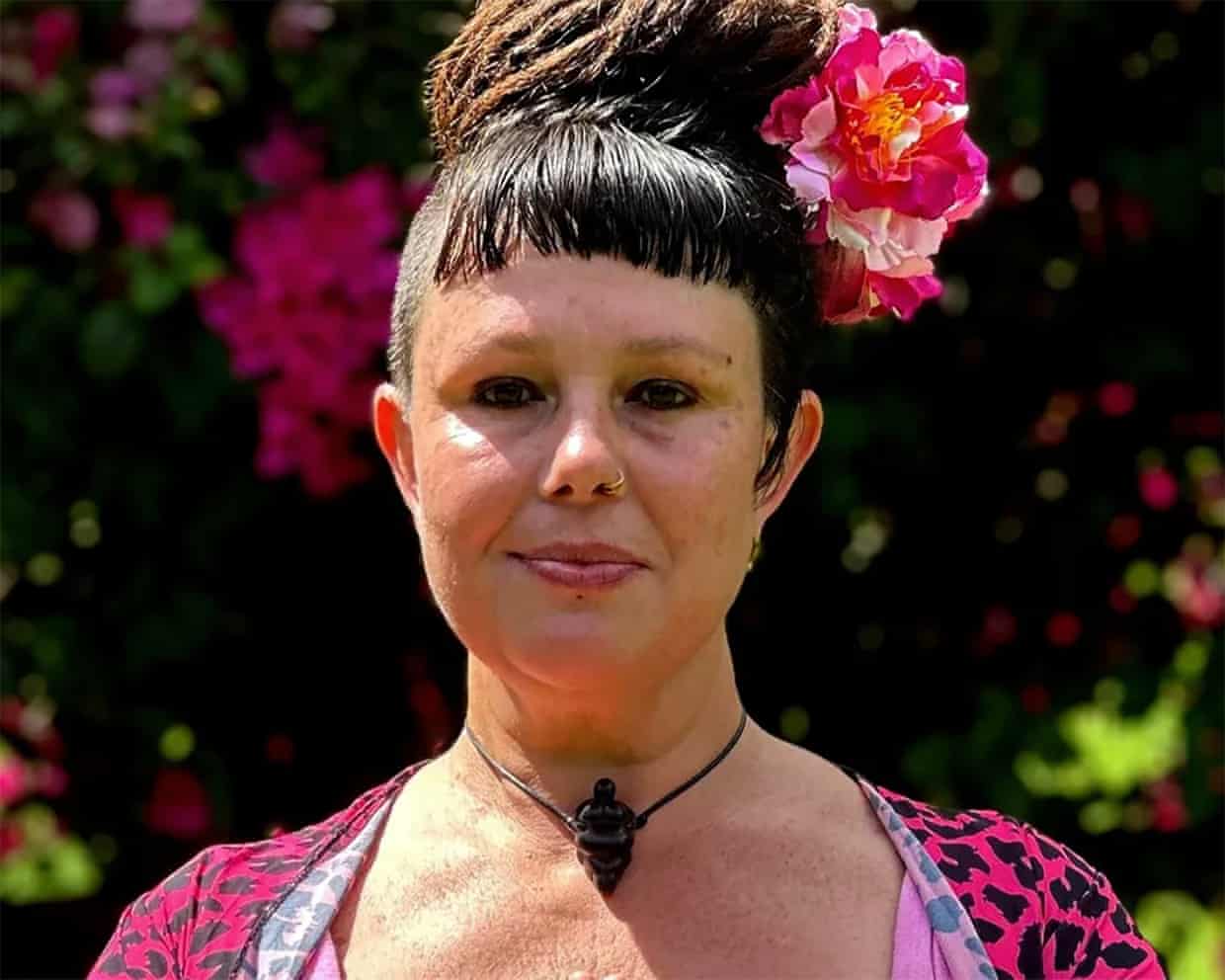
Sita Tara Kali, a doula who was expected to give evidence later on Monday, was involved in the care of two of the four babies – <a href="https://warsaw.today/cathay-pacific-new-york-da-nang-vietnam-896-roundtrip-<a href="https://warsaw.today/korean-air-chicago-da-nang-vietnam-vietnam-833-roundtrip-including-all-taxes/” title=”Korean Air: Chicago – Da Nang, Vietnam, Vietnam. $833. Roundtrip, including all Taxes”>including-all-taxes/” title=”Cathay Pacific: New York – Da Nang, Vietnam. $896. Roundtrip, including all Taxes”>including Baby R, who is thought to have died of “severe post-maturity” after being born at 43 weeks and one day in a free birth.
On Monday morning, another doula present for Baby R’s birth, Ione Maslin, gave evidence at the inquest.
Maslin told the inquest that she was not medically trained, and had attended about 30 to 40 births before Baby R’s death. She said that Baby R’s birth was the first she had attended without a midwife present.
She told the inquest she now wouldn’t feel comfortable supporting a birth without a midwife present because “doulas need to be working together with the healthcare system”.
The inquest heard that the baby’s mother had hoped that the Byron Bay Birth Centre would be able to provide her with a midwife, but that the she was told she lived too far away.
“She started looking for a private midwife but still she maintained the hope that the hospital would be able to provide her with care,” Maslin, who is from Brazil, told the inquest through a Portuguese translator.
“I insisted for her to go to the birth centre to have the baby … I suggested her to go and visit and feel the energy and to know that it was OK and safe.”
The inquest last week heard that Baby R’s mother had a general distrust of hospitals and felt that having a home birth would give her a stronger connection to her baby.
Maslin told the inquest that Kali had come on as a second doula during the pregnancy. She said she was under the impression that Kali was clinically trained, but was “not a registered professional”.
The inquest last week heard that, at 43 weeks, an ultrasound confirmed that Baby R was extremely compromised. The obstetric advice was urgent, and the mother was urged to attend emergency and strongly advised against a home birth.
The woman contacted Kali, the inquest heard, who said in a police statement that “she was quite upset and anxious. I advised her to go home and rest. ‘Calm yourself down and consider what you want to do’.”
Baby R was born outside into his father’s hands at 9.51am. He was white in colour and never latched on to feed, the inquest heard.
About 14 hours later, the ambulance was called. The umbilical cord and placenta were still attached. Baby R died on the way to a waiting helicopter at 12.22am.
The court heard that Baby R likely died of “severe post-maturity” after being born at 43 weeks and one day. The standard is to induce birth or perform a caesarean section at 42 weeks, as the ageing placenta puts the baby at risk.
The inquest continues.
- Health
- New South Wales
- news
Source: www.theguardian.com
