



Inner west Sydney seat has long been safely held by the PM – but potential changes to copyright laws are angering its large creative community
-
Get our daily political email, free app or daily news podcast
The prime minister is facing growing discontent within his own electorate as creatives push back against the federal government’s proposal to allow AI companies to scrape everything Australians create online.
Anthony Albanese’s seat of Grayndler in Sydney’s inner west is home to more than 3,000 cultural and creative businesses, and 10% of its workers are employed in cultural and creative fields – compared with 4.2% nationally.
He has held it on a safe margin for three decades, and has spoken of its high representation of live music, theatre and artist spaces with pride.
But now, as Labor considers giving AI companies unrestricted access to Australian creatives’ works by default as it pursues a compromise with US tech giants, locals are reacting with dismay.
Labor is mulling over the copyright changes in a suite of reforms surrounding AI, including datacentres, energy and the economy. While Albanese has promised “the strongest possible protection”, warning it would be “theft” if creatives weren’t paid for their work, creative industries are alarmed that AI companies have requested a weakening of copyright law to train their models using Australian material.
Some AI companies have said making licensing agreements under existing copyright law would be too difficult, while Anthropic suggested an “opt-out” model which would allow it to scrape content unless a rightholder objected, prompting warnings from Coalition senators and the recording industry that this could amount to an acquisition of property by the government.
The federal government’s draft laws are expected by the end of the year, with consideration in parliament due in 2027.
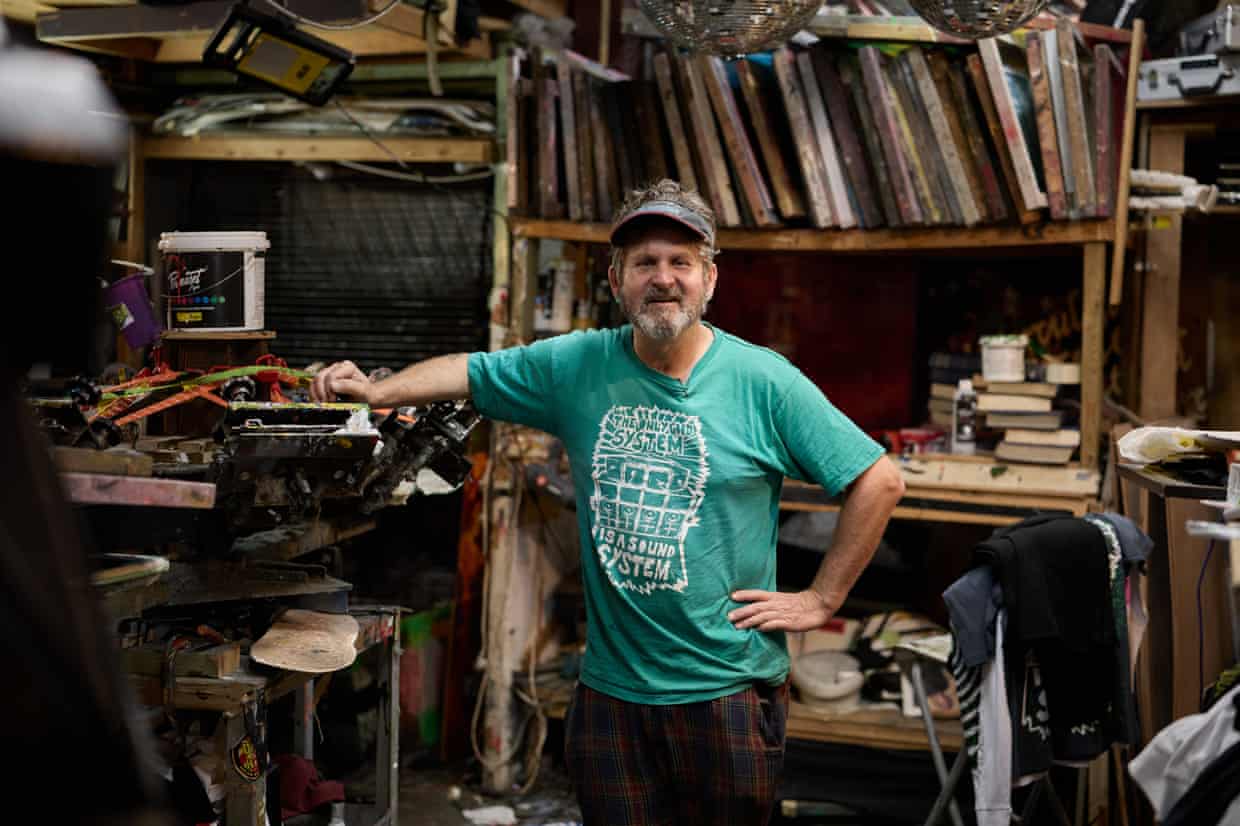
Pete Strong is a screenprinter and Greens councillor for Bayside. His business is based in Grayndler, with his solar-powered wheelie bin sound systems a fixture around the inner west.
He said AI could be “good for humanity” but is now an “extraction industry mining for profit for the few”.
“I’m completely against [the federal government’s proposal],” he said.
“There’s obviously an AI gold rush at the moment, it’s the wild west and we really need to push back. It’s hard enough being a starving artist these days without having all your work taken and used in these nefarious ways.”
This year Strong curated a show called “overthrow the algorithm”. He has also been a vocal critic of a proposed datacentre at Cooks Cove.
“I’ve seen a backlash [to the government] already,” he said. “It started with the datacentre uprising.”
Labor’s proposals were leaked in September as senior personnel from OpenAI, the creator of ChatGPT, met Labor ministers and warned that Australia’s copyright laws were preventing the company from training models locally.
For the inner west designer and artist Lu Campbell-Smith, AI has been useful in her practice. But she said having to opt out was “outrageous”.
“It just really pinpoints how Australia’s [a] test market and they’re happy for us to just be a little resource to be exploited,” she said.
“Why would anyone want to make anything and post anything online if … you’re creating free content for an AI machine?”
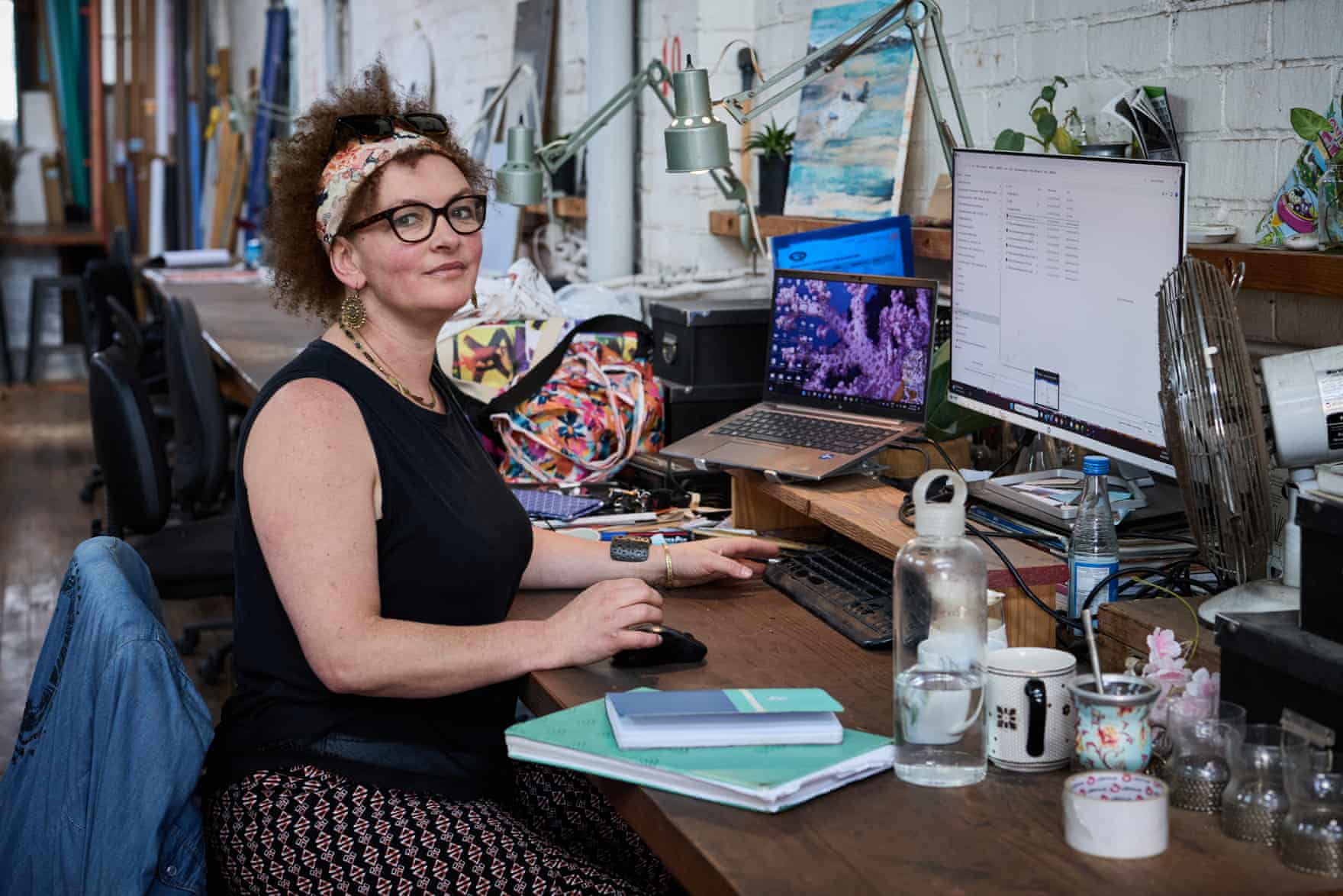
Grayndler has always been an ultra-safe Labor seat. Albanese’s face as a much younger man is plastered on to cans of Albo Pale Ale at Willie the Boatman brewery in St Peters. For the past few elections, he has won on first preferences alone.
But at the next federal election, he will be challenged by 28-year-old Hannah Ferguson, the co-founder of Cheek Media, who will run as an independent.
No sitting member has lost their seat from such a margin at a federal election. Were it not for the longstanding popularity of Albanese, Grayndler would have been a prime target for the Greens and progressive independents.
Now, Ferguson is betting that his popularity is waning. And polling indicates the same. Guardian Australia’s latest Essential poll shows Albanese’s disapproval rating at 56%, the equal highest since he took office.
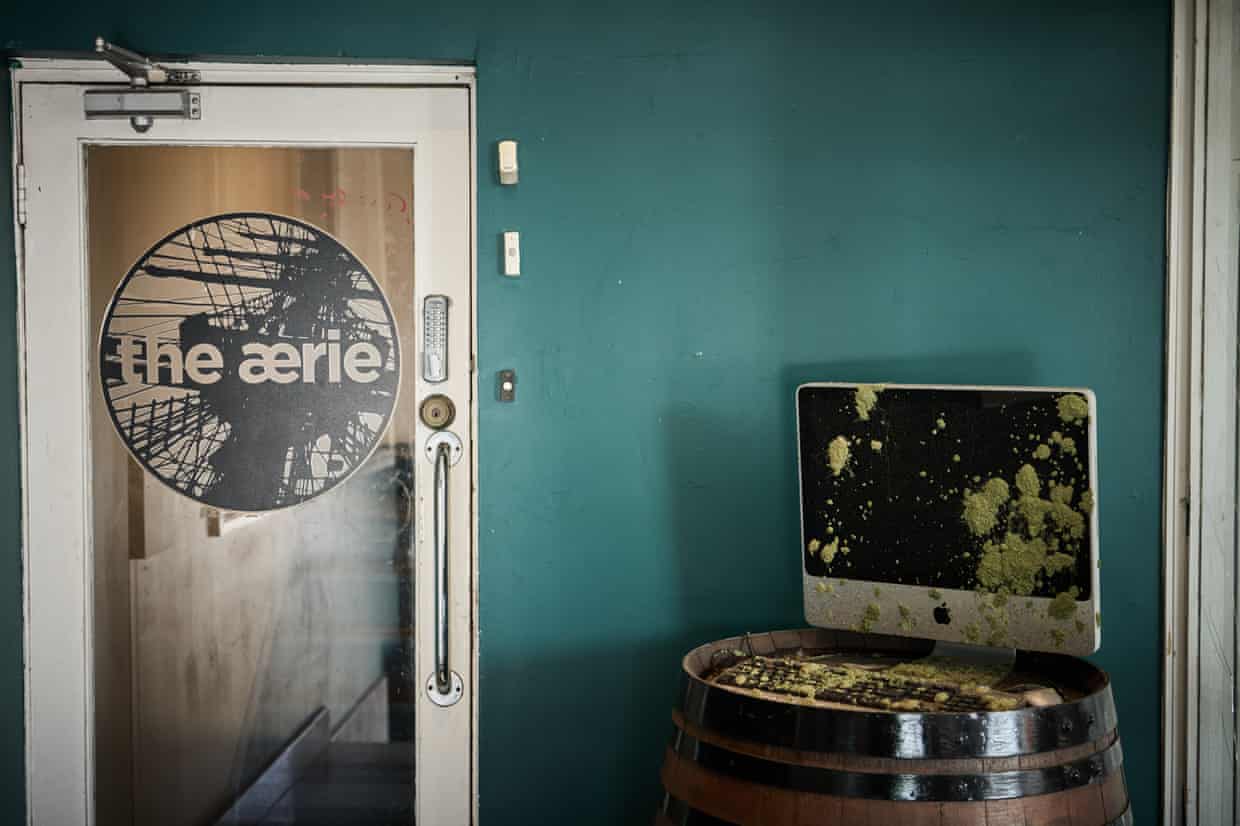
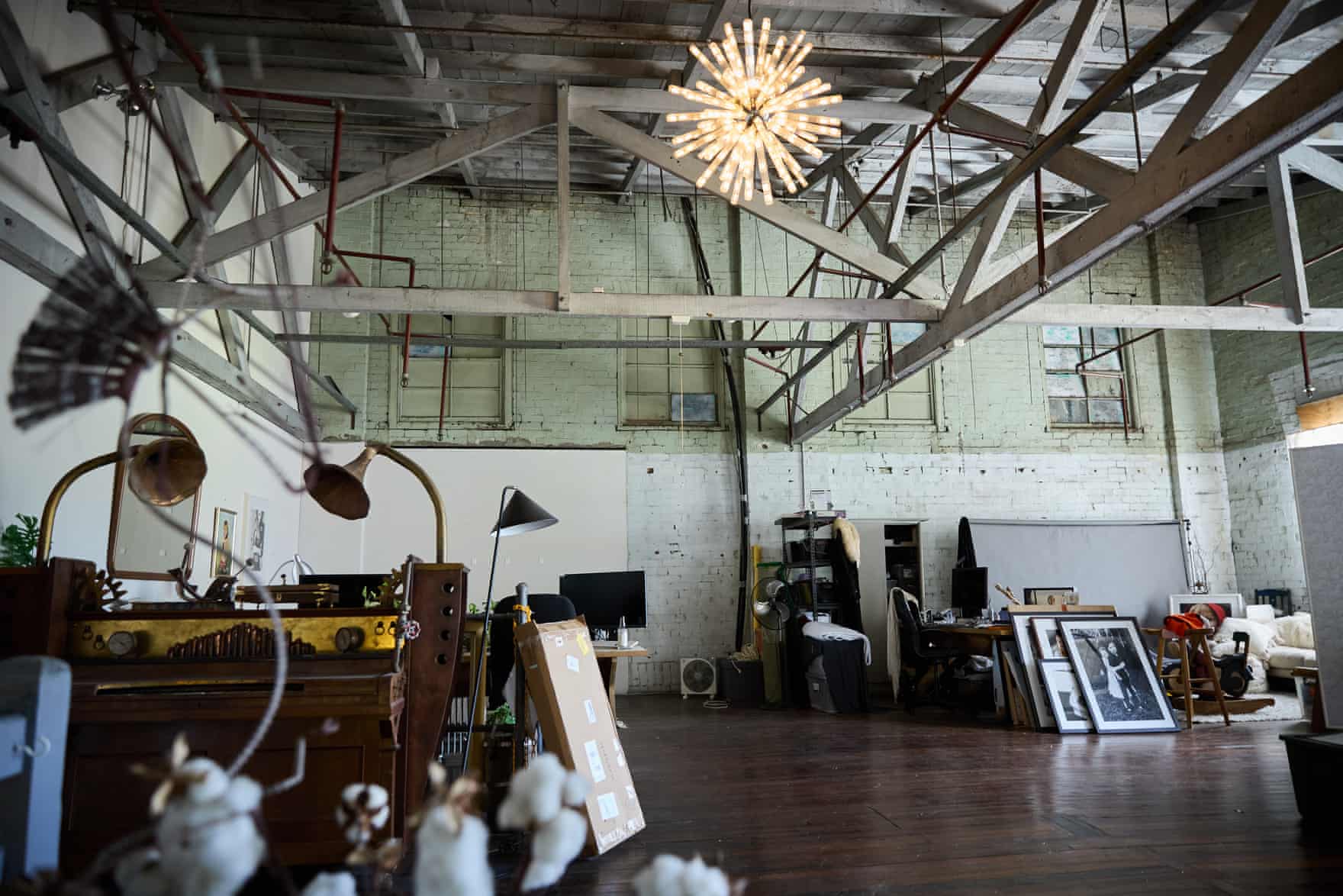
At Tortuga Studios and the aerie, one of the longest-running artist-led spaces in Sydney which operates out of an old brick factory in St Peters, the frustration is palpable.
H Morgan-Harris, an author, curator and director of the space, said there was a risk the Australian creative ecosystem could be “decimated”.
“This whole conversation always comes back to money,” she said, adding: “The artistic ecosystem is the bedrock of human interaction and human connection. And you risk our societal value by threatening it.”
Morgan-Harris’s copywriting industry has already been “heavily impacted” by AI, she said. Asked what her response was to the federal government’s latest proposal, she said it wasn’t “one you can print”.
“I just feel like artists are the first to be thrown under the bus,” she said.
“I think a lot of people were really excited when [Albanese] got into government, but there’s a yawning chasm in terms of the recognition, consideration and protection of the value of this sector. This honestly feels like the end of times to a lot of us.”
Jason Zoidberg, a co-founder of Monster Mouse Studios in Marrickville, said the AI industry had already “without consequence” stolen the “collective labour” uploaded by artists. He said it was “utterly crazy” that the government was considering giving companies the green light to do so.
“It just feels insane that they’re like, ‘Yeah, please come and we want to invest in you,’ when we’ve seen all these horrible things that they’re doing,” he said.
If there is a flipside, Zoidberg said, he is witnessing a surge in interest in traditional, hands-on art forms.
“There’s a backlash in the inner west against social media and AI,” Zoidberg said. “So our workshops are actually getting more participants. But it is also just a niche, a little inner west bubble.”
Explore more on these topicsReuse this content
Source: www.theguardian.com
