



Rising numbers around Lac Blanc are having big impact on environment and on visitors’ enjoyment, mayor says
In the Alpine town of Chamonix, most tourist paths lead to the national park with spectacular views across Mont Blanc and the shrinking blue glaciers. In the summer, up to 4,000 tourists a day hike or take the cable car to the lakes high in the Aiguilles Rouges nature reserve.
Many of them descend disappointed. Once a place of nature and tranquility, the beauty spot’s visitor numbers have more than doubled since 2020, spoiling the experience and leaving trails of litter, threatening the environment and wildlife.
Now Chamonix plans to become the first town in the Alps to introduce visitor quotas, to limit the number of hikers around Lac Blanc and the Lacs des Chéserys.
The town’s mayor, Francois-Xavier Laffin, announced last week that from next June tourists would be required to book in advance to visit the area. After booking, they will receive a QR code granting them access.
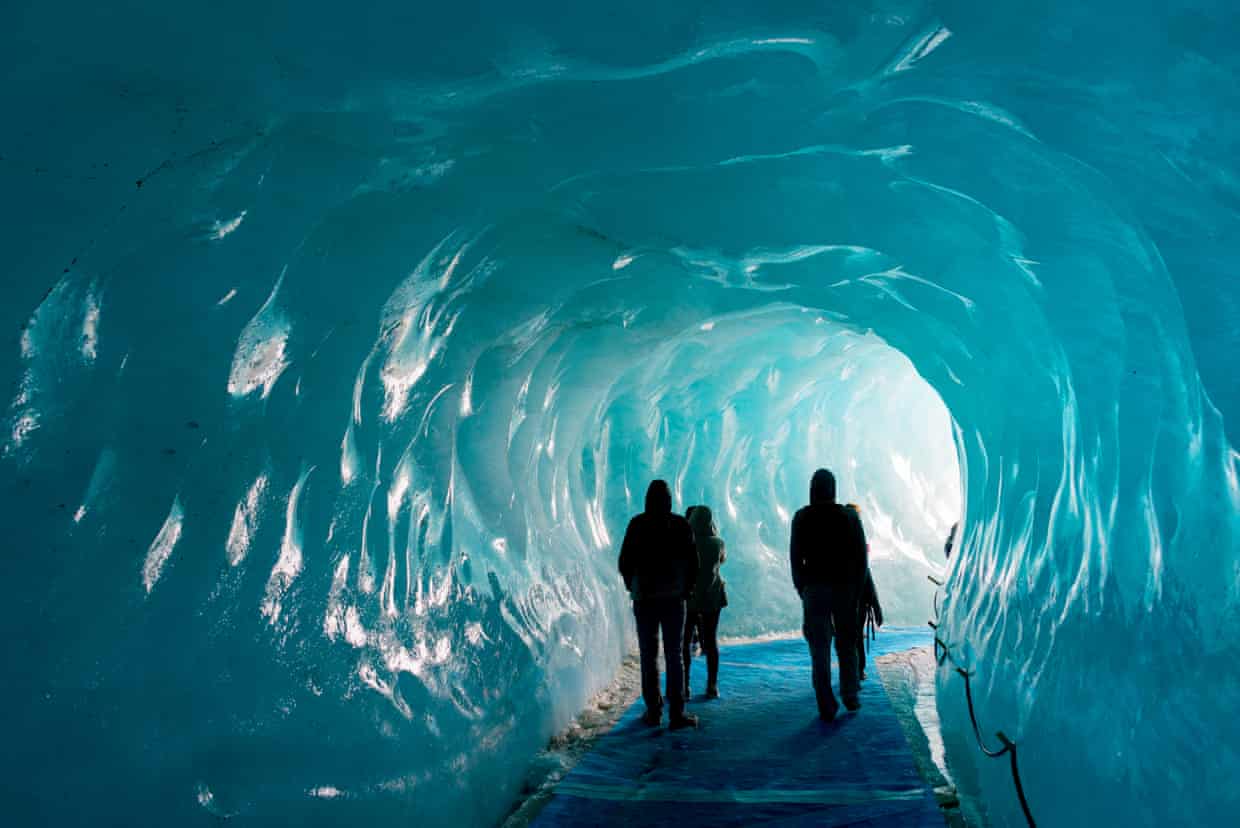
Laffin championed the quotas after visiting Marseille, where a similar scheme was introduced limiting access to the Calanques national park in 2022. He said the aim was “reserve to preserve”, adding that visiting the mountains would still be free but subject to conditions.
Laffin said mass tourism was having a major impact on the environment, wildlife and on visitors’ enjoyment of the reserve. “Lac Blanc is one place we cannot let continue to deteriorate” he said, adding that the council was looking at additional regulations in other areas.
The plan, which needs the final approval of the local prefect, would restrict the number of visitors to the Lac Blanc area to between 600 and 1,000 a day for four months from June to September.
Christian Schwoehrer, the director of the Haute-Savoie Nature Conservation Agency, which manages the reserve, said: “We will see how it works for the next three years and if it does then it will be extended and maybe applied to other areas. This is a nature reserve but when there are thousands of visitors a day there’s no peace for the protected species or local people and we need stronger measures to control this.
“At points of entry [to the reserve] there will be ‘eco guards’ to verify that people have reserved. If they haven’t, they could be fined, though our intention is to avoid fining people by making sure they know in advance and cannot say they weren’t warned.”
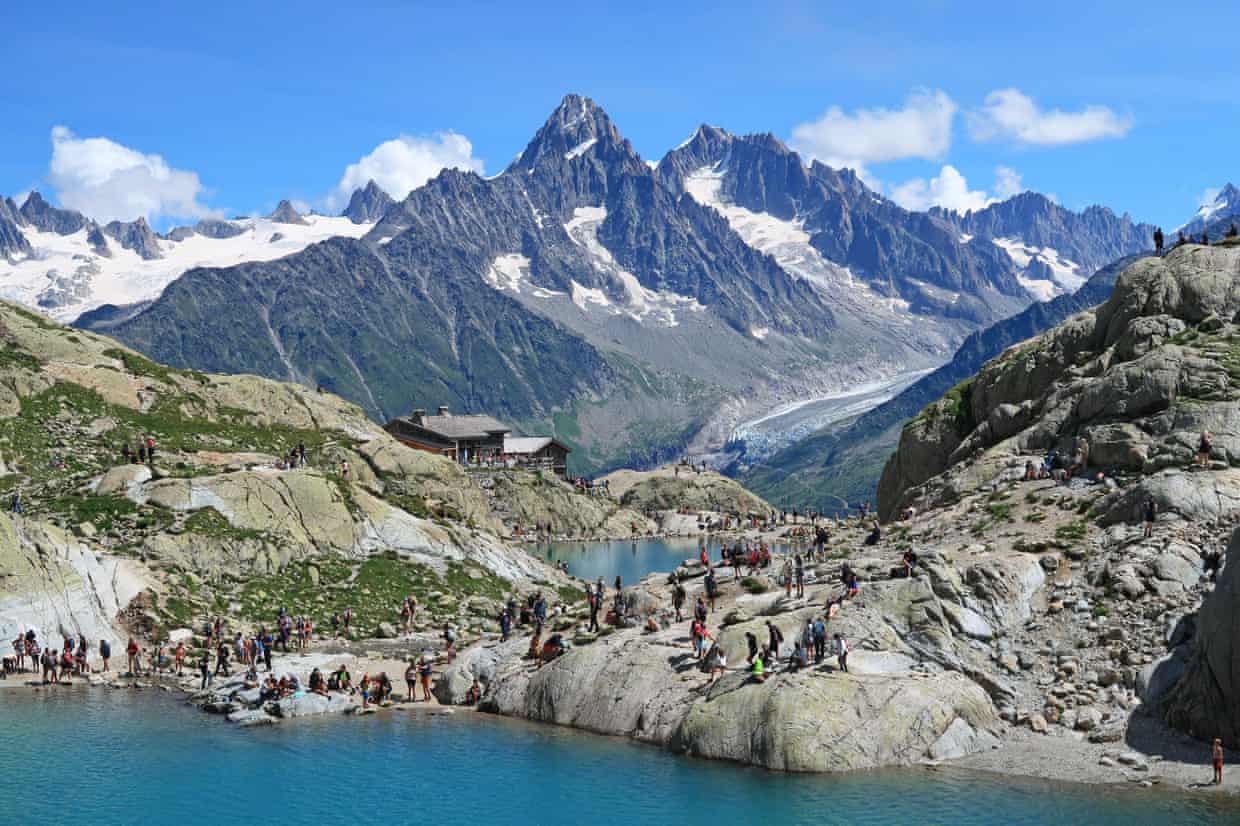
The quota plan has met some local opposition from the land’s legal owners. Lac Blanc sits in just under 3 square miles of private estate held by 35 families under a historic entity that has existed for centuries and is now managed by the Montagne de Chéserys company.
One of the landowners, Guillaume Ravanel, a mountain guide, agreed tourist numbers need controlling but suggested visitors should be asked to pay a small entry fee to access the reserve.
Frédéric Charlet-Berguerand, a co-manager of Montagne de Chéserys, told Le Monde: “This quota system is innovative and virtuous.” Contacted by the Guardian, he added: “That said, there will be no quotas on our private property until they are approved by a meeting of the owners,” due to be held in December. “Let’s not put the cart before the horse.”
Laffin said the quota plan would cost about €590,000 for the three-year “experimental” period. Financing has yet to be arranged but he said part would be raised by Chamonix and other local authorities and the town would be applying for a grant from the government’s “green fund” to help protect the environment. Private sponsors are also being sought.
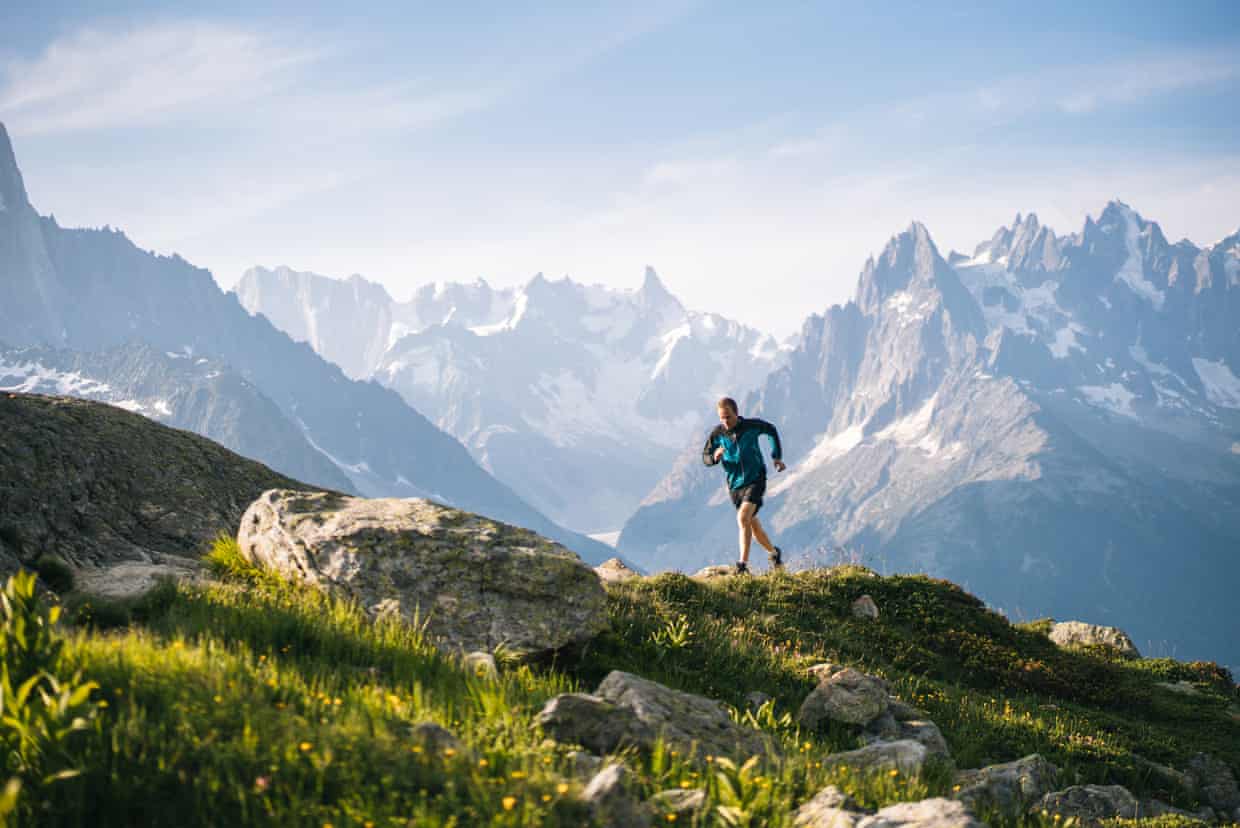
The mayor, elected in March, has made managing tourist numbers a priority. He is also looking at tighter controls on the three-week Ultra-Trail du Mont Blanc, an ultramarathon circling the Mont-Blanc massif through France, Italy and Switzerland that begins in Chamonix. The event, started in 2003, now attracts 10,000 runners and up to 50,000 visitors each August.
Schwoehrer said summer crowds meant local people were avoiding the reserve. A recent survey found that 55% of visitors who ascended to Lac Blanc said they were disappointed by the experience, he said.
“We don’t want to stop people going there, just have a few stronger rules. It’s a compromise to ensure that visitors have a good experience and at the same time the natural environment is protected.”
Explore more on these topicsReuse this content
Source: www.theguardian.com
