


Close Menu
Warsaw.Today
    What's Hot

    Foden shines as Man City rout Athens 5-1 despite Haaland, Semenyo injuries

    October 21, 2026

    ‘10 years of work destroyed’

    October 21, 2026

    The right to enforce civil rights is under attack in the US

    October 21, 2026
    Facebook X (Twitter) Instagram
    Trending
    • Foden shines as Man City rout Athens 5-1 despite Haaland, Semenyo injuries
    • ‘10 years of work destroyed’
    • The right to enforce civil rights is under attack in the US
    • AI and digital transformation reshape aviation, but safety remains non-negotiable
    • MAGA Infighting: Firm behind top socials sues ex-partner alleging he embezzled millions…
    • Man United’s Carrick doesn’t ‘need reassurance’ despite team’s horror start
    • Diplomatic damage control in Oslo as Kyiv says US intel restored
    • AFP warns Australia of ‘tsunami of youth crime’ and radicalisation accelerated by AI
    Facebook X (Twitter) Instagram
    Warsaw.TodayWarsaw.Today
    Demo
    • Home
    • News
    • World
    • Sports
    • Business
    • Culture
    • Politics
    • Travel
    • Technology
    Warsaw.Today
    Home»News»Can ‘sponge cities’ help Europe cope with floods and droughts?
    News

    Can ‘sponge cities’ help Europe cope with floods and droughts?

    Peter NovakBy Peter NovakOctober 17, 20261 Comment0 Views
    Facebook Twitter Pinterest LinkedIn WhatsApp Reddit Tumblr Email
    Can ‘sponge cities’ help Europe cope with floods and droughts?
    Share
    Facebook Twitter LinkedIn Pinterest Email

    The EU is creating a ‘Sponge Facility’ to help implement nature-based projects that aim to make cities less prone to droughts and floods.

    Wild weather swings have turned water into a dual threat for Europe’s cities. When storms hit, there’s too much of it. When droughts come, there’s too little.

    But some experts believe that the ‘sponge city’ model – a nature-based approach to urban planning pioneered in China two decades ago – could help cities put a new spin on the old saying ‘save for a rainy day’.

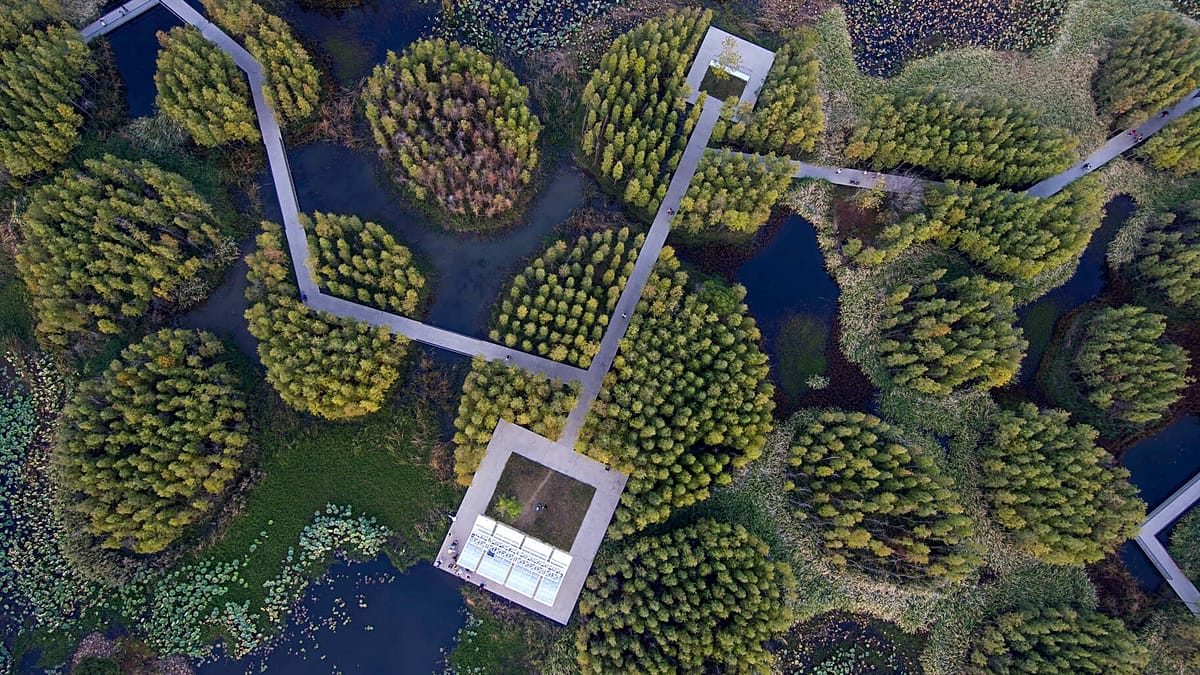
    The model involves retrofitting urban areas with green spaces, permeable surfaces and water storage systems to absorb, retain and reuse rain rather than letting it drain away. This eases pressure on drainage systems and conserves water to use during dry spells.

    “One of the most impactful ways cities can adapt is by reversing a century of urban design that treated rainfall as waste rather than as a valuable resource,” says Justin Abbott, fellow and Europe water leader at engineering consultancy Arup.

    What is a ‘sponge city’?

    The sponge city model was developed in the early 2000s by Chinese landscape architect Kongjian Yu.

    He proposed using features such as ponds, wetlands and planted drainage channels to catch rainfall before it rushed into sewers and rivers. Slowing the runoff would reduce flood risk during storms, he argued, while rainwater could be used to replenish groundwater supplies or irrigate parks during dry spells.

    The greenery would also help cool city streets during heatwaves, and in some cases, healthy soil and wetlands could help protect against wildfires.

    After catastrophic flooding killed 79 people in Beijing in 2012, his ideas gained greater attention.

    In 2014, China adopted national guidelines for sponge city development, and the next year the country launched a 16-city pilot programme, <a href="https://warsaw.today/delta-air-france-seattle-cairo-egypt-790-roundtrip-including-all-taxes/” title=”Delta / Air France: Seattle – Cairo, Egypt. $790. Roundtrip, including all Taxes”>including Wuhan, Xiamen and Chongqing. Another 14 cities, including Shanghai and Shenzhen, were added in 2016.

    Could sponge cities make Europe more resilient?

    Europe has been experimenting with similar water management projects for decades.

    Between 1998 and 2002, the southern Swedish city Malmö transformed its flood-prone Augustenborg neighbourhood by installing green roofs, wetlands, retention ponds and six kilometres of water channels. During major storms in 2007 and 2014, it suffered much less flood damage than other neighbourhoods.

    In the Netherland’s Rotterdam, the Benthemplein water square – opened in 2013 – doubles as a basketball court and recreational space in good weather, but during heavy rains, its three basins temporarily hold up to 1.7 million litres of water.

    Opened one year later in Denmark, Copenhagen’s Tåsinge Plads collects water from nearby rooftops using underground storage and rain gardens – shallow, planted areas that allow rain to soak into the soil.

    The European Commission hopes to expand projects like these across the continent. Its 2025 Water Resilience Strategy called for more sponge cities, as well as to restore more wetlands, and now the bloc is developing a ‘Sponge Facility’ to help develop them.

    The changes won’t necessarily be easy. Protected buildings, crowded streets and buried utilities make it difficult to retrofit historic city centres. But Abbott says that’s no excuse for failing to think outside the box.

    “These challenges should encourage better targeting, not inaction,” he says, suggesting smaller interventions such as removing courtyard paving, planting more trees and installing green roofs partially or completely covered with vegetation.

    Sponge cities are a ‘powerful’ tool but not a fix-all

    Even the greenest city can only absorb so much rain, though. During extreme storms, soil becomes saturated and storage systems fill up, leaving excess water nowhere to go.

    The catastrophic floods around Valencia in 2024 revealed the tragic consequences that can occur when extreme rainfall overwhelms a city’s defences like this.

    “Sponge measures are powerful, but they cannot address every challenge independently,” Abbott explains.

    Cities also need conventional drainage systems, larger reservoirs and designated routes that can carry floodwater away when rain gardens and wetlands reach capacity, he says.

    That’s a matter of more than engineering. Abbott argues that city authorities, water utilities, developers and landowners all have a responsibility to manage rainfall. Decisions made by one entity, he explains, can affect entire neighbourhoods.

    “In planning and designing cities, we need to put water first,” he says. “We need to ‘design with water’.”

    Source: www.euronews.com

    cities cope Europe help sponge
    Share. Facebook Twitter Pinterest LinkedIn Tumblr Telegram Email
    Peter Novak
    • Website

    Related Posts

    ‘10 years of work destroyed’

    October 21, 2026

    AI and digital transformation reshape aviation, but safety remains non-negotiable

    October 21, 2026

    Diplomatic damage control in Oslo as Kyiv says US intel restored

    October 21, 2026

    1 Comment

    1. Pingback: Ukraine and Europe have little choice but to work with Trump - Warsaw.Today

    Leave A Reply Cancel Reply

    WARSAW WEATHER
    Economy News
    World

    Foden shines as Man City rout Athens 5-1 despite Haaland, Semenyo injuries

    By Peter NovakOctober 21, 20260

    Enzo Maresca believes Phil Foden has provided evidence that his prolonged slump might finally be over by scoring a hat-trick in Manchester City’s 5-1 rout of AEK Athens in the Champions League.

    ‘10 years of work destroyed’

    October 21, 2026

    The right to enforce civil rights is under attack in the US

    October 21, 2026
    Top Trending
    World

    Costa Rica minister fired for unapproved meeting with Trump in US

    By Peter NovakSeptember 25, 20260

    Costa Rican President Laura Fernandez has fired Foreign Minister Manuel Tovar after he attended a US-led regional security summit with United States President Donald Trump without notifying her, an omission the government has said blocked her own participation and caused major strategic harm to the country’s interests.

    Travel

    Flight canceled or delayed? Here’s what to do next

    By Peter NovakSeptember 25, 20260

    Flight cancellations are on the rise in 2026. Since Jan. 1, U.S. carriers have canceled roughly 2% of all flights putting this year on pace for the highest cancellation rate since 2022. And delays remain common: About one in four departures nationwide was delayed between Memorial Day and Labor Day, according to data from aviation…

    Technology

    CDC opens state ordering for COVID-19 vaccines after unexplained delay

    By Peter NovakSeptember 25, 20260

    After a nearly monthlong delay, states are now able to order this season’s COVID-19 vaccines through a federal program that provides free immunizations to low-income children, the US health department says. Trump officials have still not provided a clear explanation for the delay, raising concerns about meddling from anti-vaccine Health Secretary Robert F. Kennedy Jr.

    Subscribe to News

    Subscribe to receive the latest breaking news, local updates, and top stories from Warsaw delivered to your inbox.

    Warsaw.Today is your trusted source for breaking news, local updates, business, politics, technology, sports, culture, and events from Warsaw, Poland—all in one place.

    Facebook X (Twitter) Instagram Pinterest YouTube

    Foden shines as Man City rout Athens 5-1 despite Haaland, Semenyo injuries

    October 21, 2026

    ‘10 years of work destroyed’

    October 21, 2026

    The right to enforce civil rights is under attack in the US

    October 21, 2026

    Subscribe to Updates

    Subscribe to receive the latest breaking news, local updates, and top stories from Warsaw delivered to your inbox.

    © 2026 ThemeSphere. Designed by ThemeSphere.
    • About Us
    • Get In Touch
    • Disclaimer
    • Privacy Policy
    • Terms and Conditions

    Type above and press Enter to search. Press Esc to cancel.