



Are airlines using your personal data to decide what price you see when you go to book a flight?
It’s a question that has come up repeatedly over the last couple of years, and it’s back in the headlines this week.
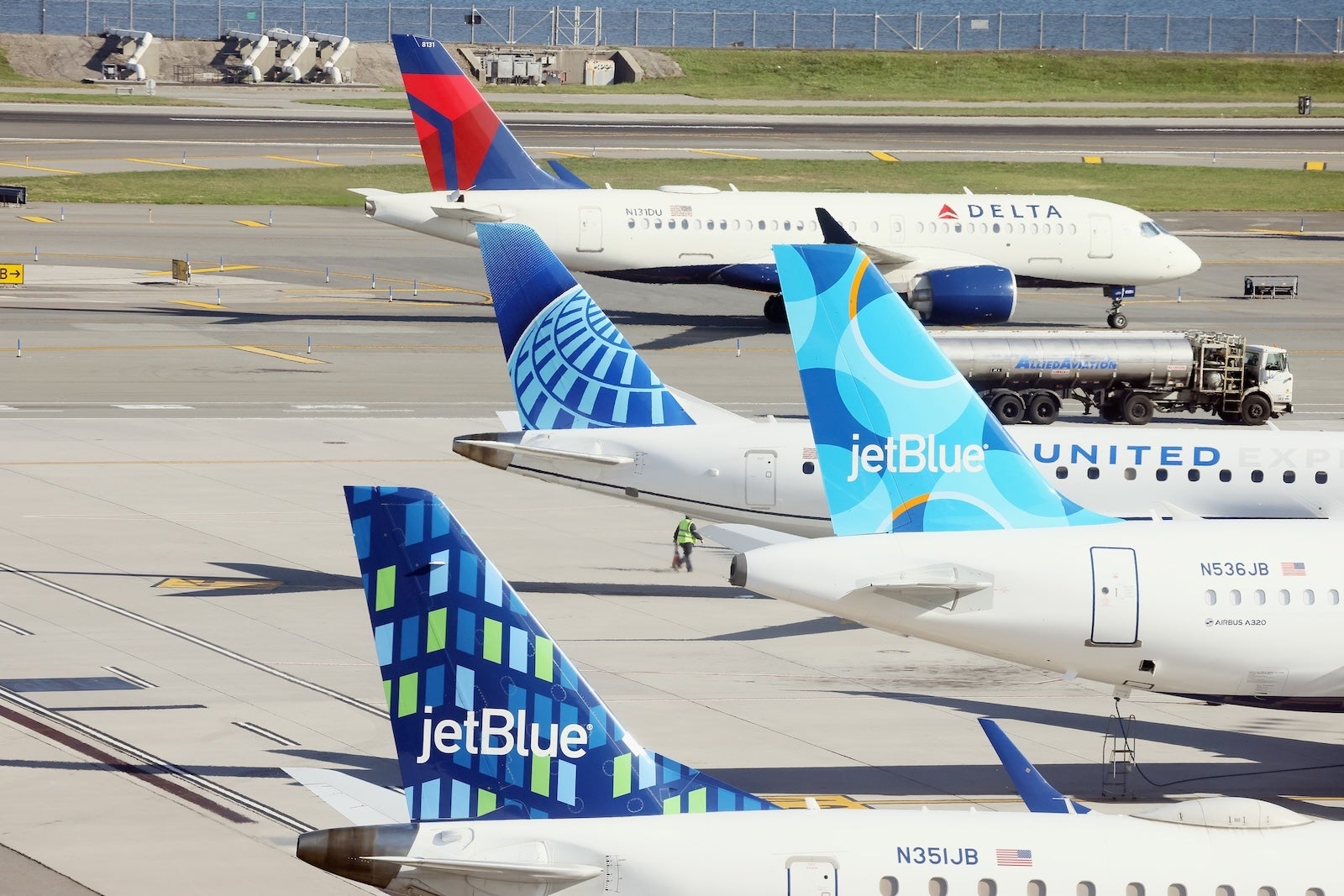
On Wednesday, the Federal Trade Commission announced an inquiry into whether nine large companies — including three major airlines — have engaged in so-called “personalized pricing.”
That’s a tactic in which a company sets one price for you and a different price for someone else, based on information it has about you.
Imagine that you see a $300 flight from Chicago to Miami, while your friend down the street sees the same flight for $220.
The inquiry centers on three of the largest U.S. carriers: Delta Air Lines, United Airlines and JetBlue, along with major companies from several other industries.
Airlines flatly deny they use surveillance-like tactics to set fares.
“They do not engage in personalized pricing,” Airlines for America, a trade group for the largest U.S. carriers, said definitively in a statement Friday. “Our carriers rely on marketplace conditions and consumer demand for pricing, as they always have.”
Concerns over airline pricing grow louder
Questions about airlines’ ticket-pricing tactics have seemingly grown louder over the past year, though.
Last year, Delta faced scrutiny from lawmakers after executives revealed the carrier had begun using a third-party AI tool to help set flight prices.
That revelation drew backlash from Capitol Hill, though Delta insisted it was not using customers’ private information to influence fares — and never planned to.
Just this week, Thrifty Traveler’s latest investigation revealed some U.S. carriers continue to charge solo travelers higher prices than flyers booking with one companion or more.
And last spring, a lawsuit accused JetBlue of using personal data to set fares. The complaint zeroed in on a comment the airline reportedly made on social media, where it suggested a customer might find a lower ticket price if they cleared their cookies or searched in “incognito” mode.
The airline later deleted the post and said the customer service agent who wrote the comment was mistaken.
But the saga ignited a firestorm on social media that laid bare consumers’ growing concerns over how big companies might be using the information they have to set prices.
‘Not 100% convinced’
Airlines certainly do know a lot about their customers.
After all, security requirements dictate that we hand over key personal details every time we book a flight. Plus, most of us voluntarily provide airlines with even more of our information by participating in loyalty programs.
And then there’s dynamic pricing, which can cause fares to change from one moment to the next as seats fill up and demand shifts — often leaving customers puzzled.
“I think people are sort of scared that the reason why they see those prices change like that is because of their behavior — them kind of searching, coming back,” Garrett Scott, a University of Mississippi economist who studies airline pricing, told me earlier this year.
“As consumers, it’s really easy to be like, ‘These people are screwing us over,'” he said. “I am not 100% convinced that that is what’s going on.”
FTC: Personalized pricing might be ok, if it’s disclosed
Airlines are up front about some strategies they use to show different prices — specifically, award prices — to different customers.
For instance, Delta and United both offer their credit card holders automatic award discounts — a well-advertised perk of carrying certain cards.
Also, if you’ve booked a flight recently, go back and check the reservation: There’s a good chance your airline might be offering you a targeted upgrade price.
Many of these tactics, Scott argues, are entirely benign. In some cases, he notes, they can save consumers money by offering lower fares or targeted discounts when demand for a flight drops.
It appears the feds may feel the same way.
Speaking to TPG on Friday, an FTC official said the agency is less concerned about companies using personalized pricing and more concerned about them doing so without disclosing it to consumers.
To reiterate, airlines say they don’t do that and don’t plan to.
Dynamic pricing creeps into more industries
However, some experts argue that the lines between ordinary airline pricing tactics and surveillance pricing have begun to blur.
For instance, a carrier could decide to hike holiday fares during a week when its data shows wealthier travelers tend to book their end-of-year trips, Mark Tremblay, an expert in pricing strategies at the University of Nevada, Las Vegas, offered.
“I would argue that this is personalized pricing in disguise. But they would call it ‘dynamic pricing,'” Tremblay said. “You could make a lot of arguments like this for other industries.”
And it’s not just airlines that are now under the FTC’s microscope.
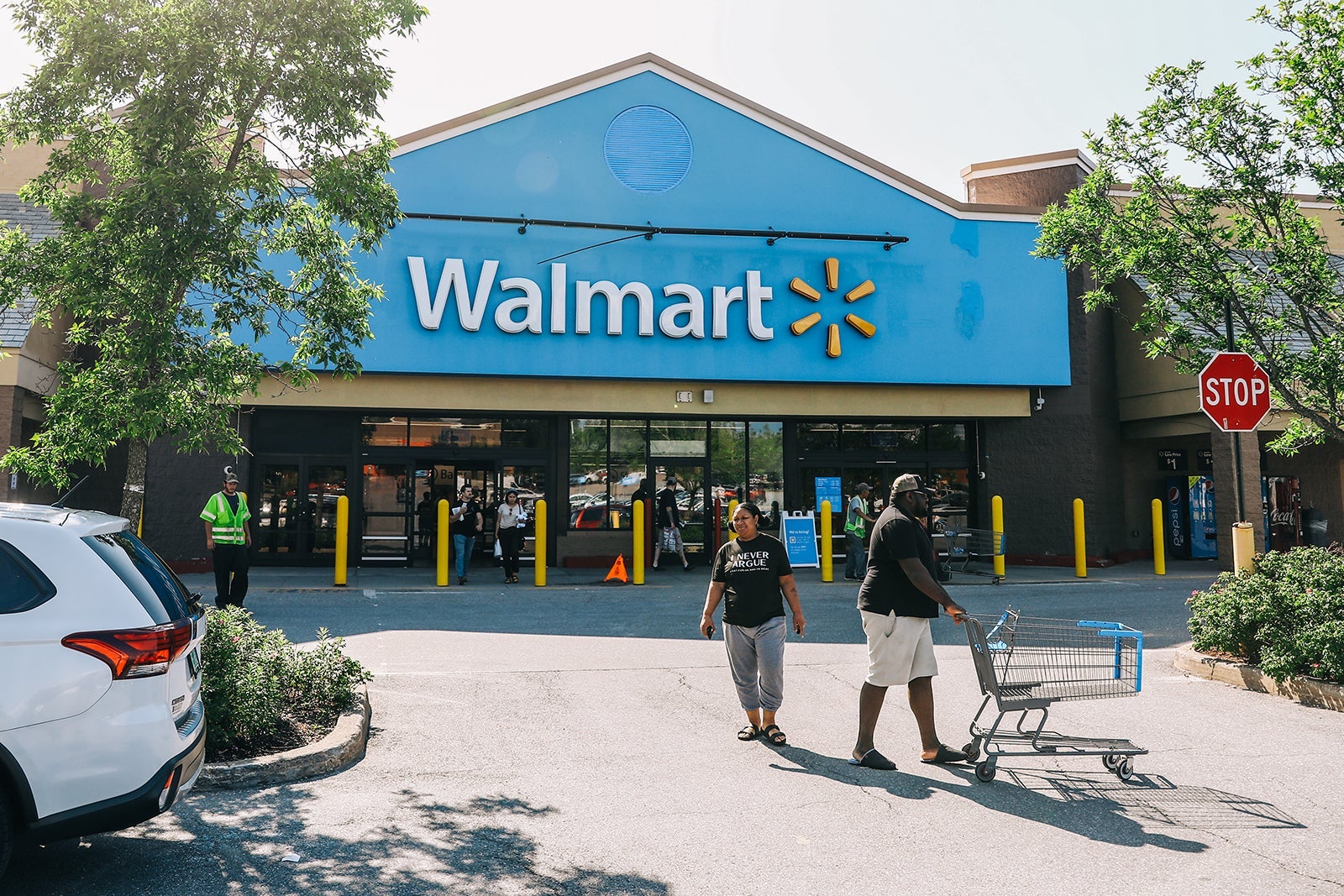
The agency’s inquiry also extends to ride-hailing companies Uber and Lyft, as well as big-box retailers like Walmart and Target, and delivery service giants DoorDash and Instacart.
As part of the probe, the feds ordered those companies to turn over information on their pricing tactics — including whether fares can fluctuate based on personal factors, including participation in a loyalty program.
- When is the best time to book flights for the cheapest airfare?
- The best airline credit cards
- Which US airline is best? TPG’s 2026 rankings
- Flight delayed or canceled? Here’s what to do
- The best credit cards to reach elite status
- What are points and miles worth? TPG’s monthly valuations
- Flight cancellations hit 4-year high: Here are the worst airports and our tips for flying
Editorial disclaimer: Opinions expressed here are the author’s alone, not those of any bank, credit card issuer, airline or hotel chain, and have not been reviewed, approved or otherwise endorsed by any of these entities.
Source: thepointsguy.com
