


Close Menu
Warsaw.Today
    What's Hot

    A renewable Riesling? How solar panels could protect Europe’s wine

    November 29, 2026

    Film dnia. Wciel się w detektywa i spróbuj rozwiązać zagadkę. Zobacz kinowy hit o 20:45

    November 29, 2026

    Nie chcę i nie muszę podobać się wszystkim. To jest cena…

    November 29, 2026
    Facebook X (Twitter) Instagram
    Trending
    • A renewable Riesling? How solar panels could protect Europe’s wine
    • Film dnia. Wciel się w detektywa i spróbuj rozwiązać zagadkę. Zobacz kinowy hit o 20:45
    • Nie chcę i nie muszę podobać się wszystkim. To jest cena…
    • Iberia: Washington D.C. – Malaga, Spain. $528 (Basic Economy) / $768 (Regular Economy). Roundtrip, including all Taxes
    • Iberia: New York – Casablanca, Morocco. $495 (Basic Economy) / $735 (Regular Economy). Roundtrip, including all Taxes
    • Iberia: Miami – Porto, Portugal. $520 (Basic Economy) / $760 (Regular Economy). Roundtrip, including all Taxes
    • Can the US regain influence in the Sahel?
    • United: Chicago – Dublin, Ireland. $505 (Basic Economy) / $745 (Regular Economy). Roundtrip, including all Taxes
    Facebook X (Twitter) Instagram
    Warsaw.TodayWarsaw.Today
    Demo
    • Home
    • News
    • World
    • Sports
    • Business
    • Culture
    • Politics
    • Travel
    • Technology
    Warsaw.Today
    Home»News»A renewable Riesling? How solar panels could protect Europe’s wine
    News

    A renewable Riesling? How solar panels could protect Europe’s wine

    Peter NovakBy Peter NovakNovember 29, 2026No Comments0 Views
    Facebook Twitter Pinterest LinkedIn WhatsApp Reddit Tumblr Email
    A renewable Riesling? How solar panels could protect Europe’s wine
    Share
    Facebook Twitter LinkedIn Pinterest Email

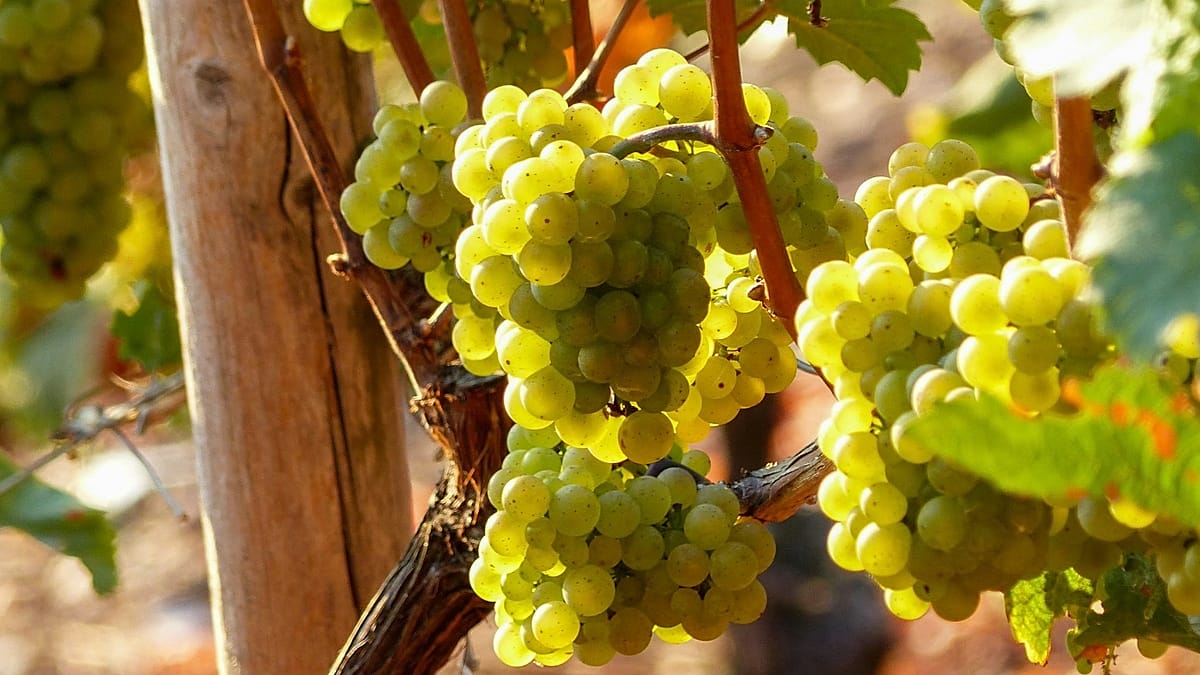
    On top of slowing the ripening process, solar panels were found to offer protection against sunburn and fungal diseases in Germany’s Rheingau region.

    Researchers in Germany’s Rheingau wine region may have found an unusual way to protect Riesling grapes from climate change: growing them under solar panels.

    A three-year studypublished this week found that PV panels helped protect Riesling grapes from sunburn and retain the acidity the wine is prized for around the world.

    The impact could ripple far beyond Rheingau. Hotter summers are already altering the taste of European wines elsewhere, while heatwaves and drought are devastating harvests in historic regions such as Burgundy and Tuscany.

    As climate change forces European winemakers to reckon with a new reality, finding ways to protect their crops could be the key to keeping centuries-old traditions alive.

    Why are researchers growing grapes under solar panels?

    Winemakers usually love warm summers, especially in cooler regions such as Germany’s Rheingau.

    The warmer air can help grapes ripen more fully, developing higher sugar levels and richer fruit flavours such as peach and apricot.

    But now, grapes are ripening too fast. That means they accumulate sugar and lose acidity before their aromas have had time to develop, leading to wines that have more alcohol and less complexity.

    In 2022, researchers at Geisenheim University installed 552 semi-transparent solar panels above rows of Riesling vines. The panels rotate throughout the day to follow the sun and stand high enough for agricultural equipment to pass underneath them.

    Over three growing seasons, the shaded grapes ripened more slowly and retained the levels of acidity Rheingau Riesling’s were known for, before the region began warming.

    The panels also offered protection against sunburn and grey rot, a fungal disease that causes grapes to decay.

    But too much shade can also be a problem. In 2024, a cloudy year, the solar panel-shrouded vines produced 44 per cent fewer grapes than those left out in the open.

    Yet there could be a trade-off for winemakers: solar panels could allow them to offset losses in years of poor harvests by selling electricity and cutting their energy bills.

    The only catch is the price tag – the experimental installation costs €350,000.

    The university is working on that, too. The research team is testing a cheaper system that can be attached to vineyard posts. Although it offers less protection and generates less electricity, the researchers believe it is better than waiting for a perfect solution.

    “We definitely don’t have time to wait any longer,” Manfred Stoll, a professor of viticulture at Geisenheim University and co-author of the study, told Deutsche Welle in a 2025 interview.

    Europe’s historic wine regions are under threat

    Across Burgundy, harvest volumes fell 26 per cent below the five-year average this year as growers faced the wrath of drought and extreme heat that scientists say would have been “virtually impossible” if it weren’t for climate change.

    For some producers, the losses were even greater.

    After six months of near-drought, the Hospices de Beaune, one of Burgundy’s most prestigious wine estates, lost around half its harvest.

    European vineyards are among the worst affected by rising temperatures worldwide. Since 1980, daily high temperatures during the growing season have risen by about 3°C in France and 2°C in Spain and Italy.

    If global warming exceeds 2°C, experts say that about 90 per cent of traditional wine regions along the coasts and in the plains of Spain, Italy, Greece and southern California could become too hot or dry to produce high-quality wine by the end of the century.

    Some winemakers in France are planting vineyards in Brittany and Normandy, two regions better known for cider than prestigious wine vintages. Others have been forced to uproot vines as climate change and plummeting demand take a toll on the industry.

    But moving vineyards or changing grape varieties is complicated in Europe, where wines such as Champagne and Barolo have protected designations of origin (PDOs). Meaning, they must be produced in specific regions, and according to strict rules.

    A 2024 study found that restrictions on the grape varieties that winemakers can use under PDO rules could make them more vulnerable to climate change.

    But the researchers say their solar panel installations could offer an alternative way forward. They are already calling for new trials to find out if the benefits found in Rheingau’s Riesling grapes can work in other parts of Europe, too.

    Source: www.euronews.com

    could panels renewable Riesling Solar
    Share. Facebook Twitter Pinterest LinkedIn Tumblr Telegram Email
    Peter Novak
    • Website

    Related Posts

    Floods hit Peru and Ecuador as powerful El Niño brings torrential rain

    November 28, 2026

    Best and worst places in Europe for young people to find a job

    November 28, 2026

    US military fires at a ship that violated blockade of Iranian ports

    November 28, 2026
    Leave A Reply Cancel Reply

    WARSAW WEATHER
    Economy News
    News

    A renewable Riesling? How solar panels could protect Europe’s wine

    By Peter NovakNovember 29, 20260

    Researchers in Germany’s Rheingau wine region may have found an unusual way to protect Riesling grapes from climate change: growing them under solar panels.

    Film dnia. Wciel się w detektywa i spróbuj rozwiązać zagadkę. Zobacz kinowy hit o 20:45

    November 29, 2026

    Nie chcę i nie muszę podobać się wszystkim. To jest cena…

    November 29, 2026
    Top Trending
    Travel

    Why you should still care about Bilt Rewards even if you don’t want one of its credit cards

    By Peter NovakOctober 16, 20260

    I don’t currently have a Bilt credit card, and I don’t have plans to open one any time soon. Despite that, I earn Bilt Points every month on my rent and every time I take a Lyft ride.

    Technology

    Elorian’s first AI model wants to reason with images, not just about them

    By Peter NovakOctober 16, 20260

    Elorian, the Palo Alto AI startup that raised a $55 million seed round at a $300 million valuation before it launched a product, released its first model on Friday, TechCrunch has exclusively learned.

    News

    Pope Leo XIV urges Putin to agree to truce in besieged Oleshky

    By Peter NovakOctober 16, 20260

    Pope Leo XIV spoke by phone with Russian President Vladimir Putin on Friday, calling for a ceasefire in a Russian-occupied city in southern Ukraine while recovering in hospital from lung cancer surgery.

    Subscribe to News

    Subscribe to receive the latest breaking news, local updates, and top stories from Warsaw delivered to your inbox.

    Warsaw.Today is your trusted source for breaking news, local updates, business, politics, technology, sports, culture, and events from Warsaw, Poland—all in one place.

    Facebook X (Twitter) Instagram Pinterest YouTube

    A renewable Riesling? How solar panels could protect Europe’s wine

    November 29, 2026

    Film dnia. Wciel się w detektywa i spróbuj rozwiązać zagadkę. Zobacz kinowy hit o 20:45

    November 29, 2026

    Nie chcę i nie muszę podobać się wszystkim. To jest cena…

    November 29, 2026

    Subscribe to Updates

    Subscribe to receive the latest breaking news, local updates, and top stories from Warsaw delivered to your inbox.

    © 2026 ThemeSphere. Designed by ThemeSphere.
    • About Us
    • Get In Touch
    • Disclaimer
    • Privacy Policy
    • Terms and Conditions

    Type above and press Enter to search. Press Esc to cancel.