



Exclusive: Thirty-one trusts issue stark warning that cost-cutting demands threaten their ability to function normally
Dozens of hospitals are so short of money they may not be able to continue caring for patients and are being forced to make “unpalatable” cuts to services and staff, the Guardian can reveal.
Thirty-one health service trusts in England have issued stark warnings that NHS demands for them to make huge budget savings this year threaten their ability to function normally. All have declared that as a threat in the register of risks they have to maintain and publish.
Twenty-seven of those trusts are in such dire financial straits that they have rated lack of money as the biggest threat they face. Six have given that danger a rating of 25 – the highest possible score – in their risk register. A much-larger number of trusts have launched cost-cutting programmes to save as much as £106m each this year by limiting the services they provide and shrinking their workforces, despite understaffing being widespread across the NHS.
The six include King’s College hospital NHS trust in London, which is seeking to save £85m this year, and the St George’s, Epsom and St Helier hospital group, also in the capital, which has a savings target of £91m. The others are the North Midlands, Gloucestershire, and Doncaster and Bassetlaw acute trusts, and Birmingham and Solihull mental health trust.
Trust bosses say their finances are in a “precarious” and “severe” state. They blame rising drug prices, strikes and the cost of covering pay rises, the extra demand caused by this summer’s heatwaves, and the introduction of electronic health records. Privately they accuse NHS England of forcing them to adopt unreasonable savings targets in order to help the health service as a whole balance its books, because hospitals have been told to stop overspending.
In an illustration of the impact that savings drives can have, in August people in Kent with cancer had to wait up to a month for appointments before they could start chemotherapy; this was because the cancer unit had fewer nurses on duty than usual after the East Kent trust cut rates of pay to work extra “bank” shifts as part of a cost-cutting plan, which led to understaffing.
The trust admitted in a paper, which its board discussed, that it was seeing “increasing waits for new patient appointments and pre-chemo appointments … due to lack of take-up of bank shifts due to [pay] rate changes”.
In September, York and Scarborough trustsaid it would shut a 28-bed ward at Bridlington community hospital, a “step-down” facility that looks after people recently discharged from hospital before they go home, to help it save £1m. It did so despite the risk this will add to pressures on beds at its two acute hospitals.
The trust also looked into withdrawing the maternity and radiology services it provided at Whitby community hospital as another of its “opportunities for efficiencies”, to save an estimated £200,000. However, those plans were “no longer being considered”, it said. It is also considering cutting the opening hours of the three urgent treatment centres it runs in York, Scarborough and Malton, to save a further £200,000, even though such services are intended to prevent overcrowding of A&E units. The trust refused to answer questions the Guardian asked about that.
Harrogate and district trust has decided to stop providing out-of-hours GP care in Hambleton and Richmond, covering a large swathe of rural North Yorkshire, after 15 years because it can no longer afford to do so. It is unclear who will offer patients that service in the future.
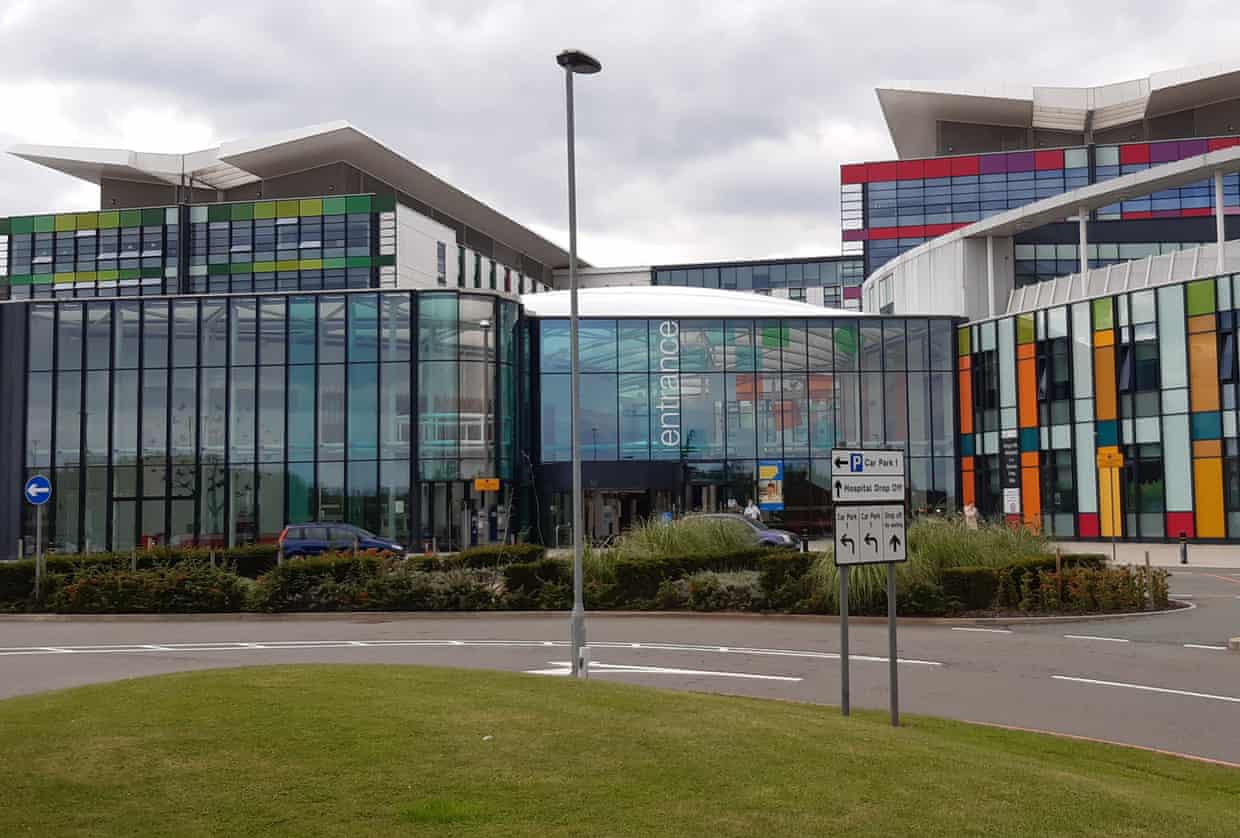
Sherwood Forest trust’s plan to close a hydrotherapy pool at King’s Mill hospital in Sutton-in-Ashfield, to save £150,000 to £200,000, has provoked an outcry. The pool is used to help rehabilitate about 1,500 patients a year, including those with long-term health conditions or those recovering from car crashes or a hip replacement, said the local Labour MP, Steve Yemm.
Sara Hazzard, of the Chartered Society of Physiotherapy, said: “The proposed closing of this pool is deeply concerning and risks depriving vulnerable patients of vital specialist rehabilitation. For people with chronic long-term conditions, aquatic physiotherapy is a clinical lifeline. The warmth and buoyancy of the water help people to manage pain, exercise and maintain mobility when land-based rehabilitation may not be suitable.”
Sherwood Forest also recently admitted in a paper discussed by its board that “financial restraints, including the need to reduce bank and agency spend, may lead to impacts on ability to maintain patient care and safety”.
Torbay and South Devon trust is axing 199 non-clinical posts and charging staff more for parking and food to help it meet its £54.4m “cost improvement plan” target. It has an underlying deficit of £100m.
In a paper submitted to its 5 November board meeting, it said it would “assess all available options to close the forecast risk gap and deliver financial plan, including ‘unpalatable’ and high-risk options”. NHS England has told its leaders to break even this year or risk having their performance being reviewed, which could lead to them being replaced.
The NHS is so short of cash that it cannot afford to have the number of beds it needs to help hospitals cope this winter, Emma Rowland, NHS England’s executive director for performance and recovery, told MPs earlier this month.
One trust boss said: “I have been a [trust] chief executive for more than 10 years and the NHS’s finances are as tough as they have ever been. Many trusts are forecasting deficits larger than recent years. Balancing the books often means breakeven. Very few trusts will break even and many will miss their financial plan for this year.”
Trusts are also cutting jobs in a desperate effort to save money. For example, Nottingham university hospitals trust plans to shrink its workforce by 1,279 to help it meet its £106m savings target for 2026-27. It admits that a third of its identified savings are “high risk”.
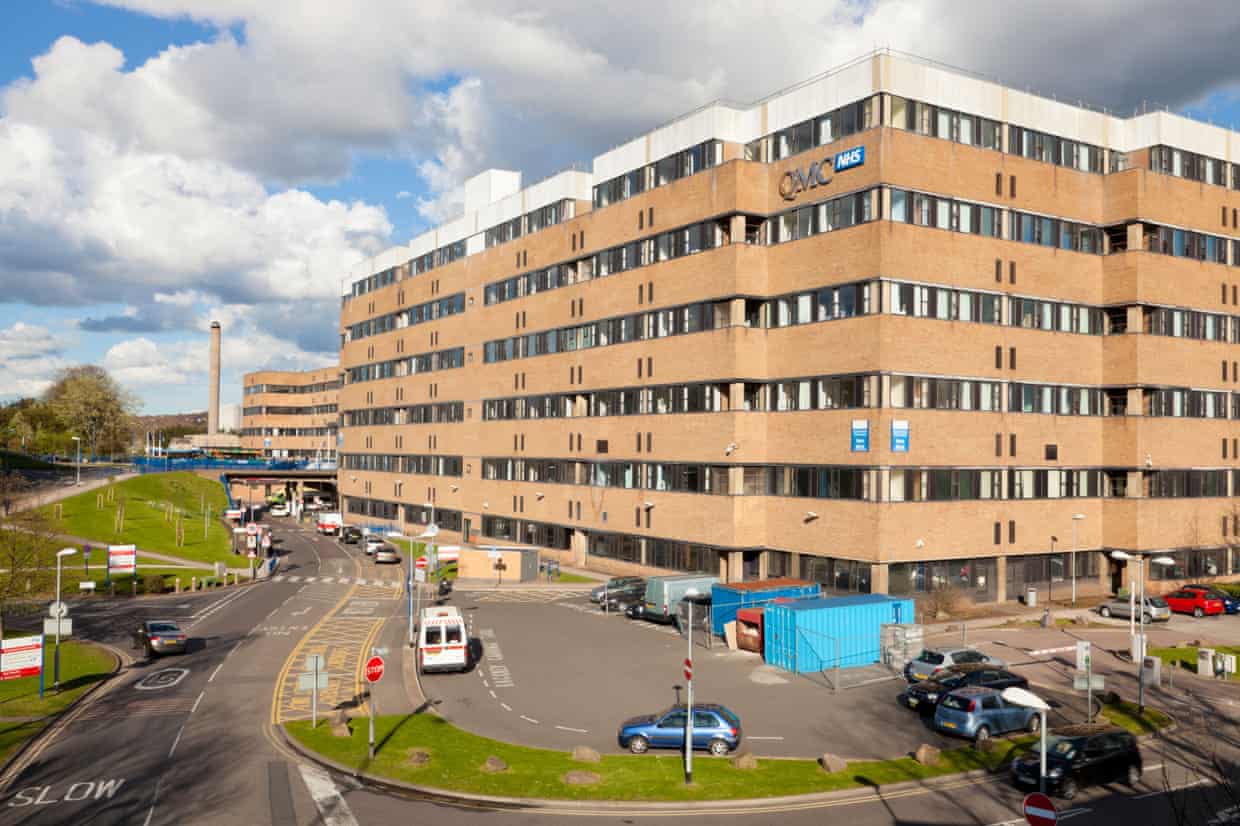
Similarly, Barts health trust in London aims to axe 1,100 posts to save money.
Dr Tony O’Sullivan, a co-chair of the campaign group Keep Our NHS Public, said: “This financial straitjacket on the NHS is deeply irresponsible and the consequences are devastating. Years of underinvestment have left trusts being asked to make huge savings while demand and costs keep rising.
“AI can’t staff a ward, and another reorganisation won’t reopen a single bed. Closing step-down beds means some patients will spend longer in hospital waiting for somewhere safe to go. That leaves fewer beds for people waiting in A&E and makes it harder to carry out planned operations.”
O’Sullivan added that Yvette Cooper, the health secretary, should ask the chancellor for emergency funding for the NHS to help it cope with the pressure it is under. The Department of Health and Social Care’s total spending for 2025-26 was £217bn, most of which went to the NHS.
NHS England did not respond directly to a request for comment over the widespread cost-cutting. A spokesperson said: “The NHS did an amazing job last year to bring its finances in within budget for the first time in more than a decade, while also delivering record levels of treatments and operations to patients.
“This has been another challenging year, and NHS boards are rightly being transparent about financial risks and taking action to mitigate them. Across the NHS, organisations are working hard to improve productivity, live within their means and make the best use of taxpayers’ money, while continuing to deliver the care people need.”
Explore more on these topicsReuse this content
Source: www.theguardian.com
