



Oil slicks seen from space: the devastating impact of boat strikes on fragile Gulf ecosystems
Since the US war on Iran began in February, there have been hundreds of oil spills, posing a ‘generational’ threat to wildlife
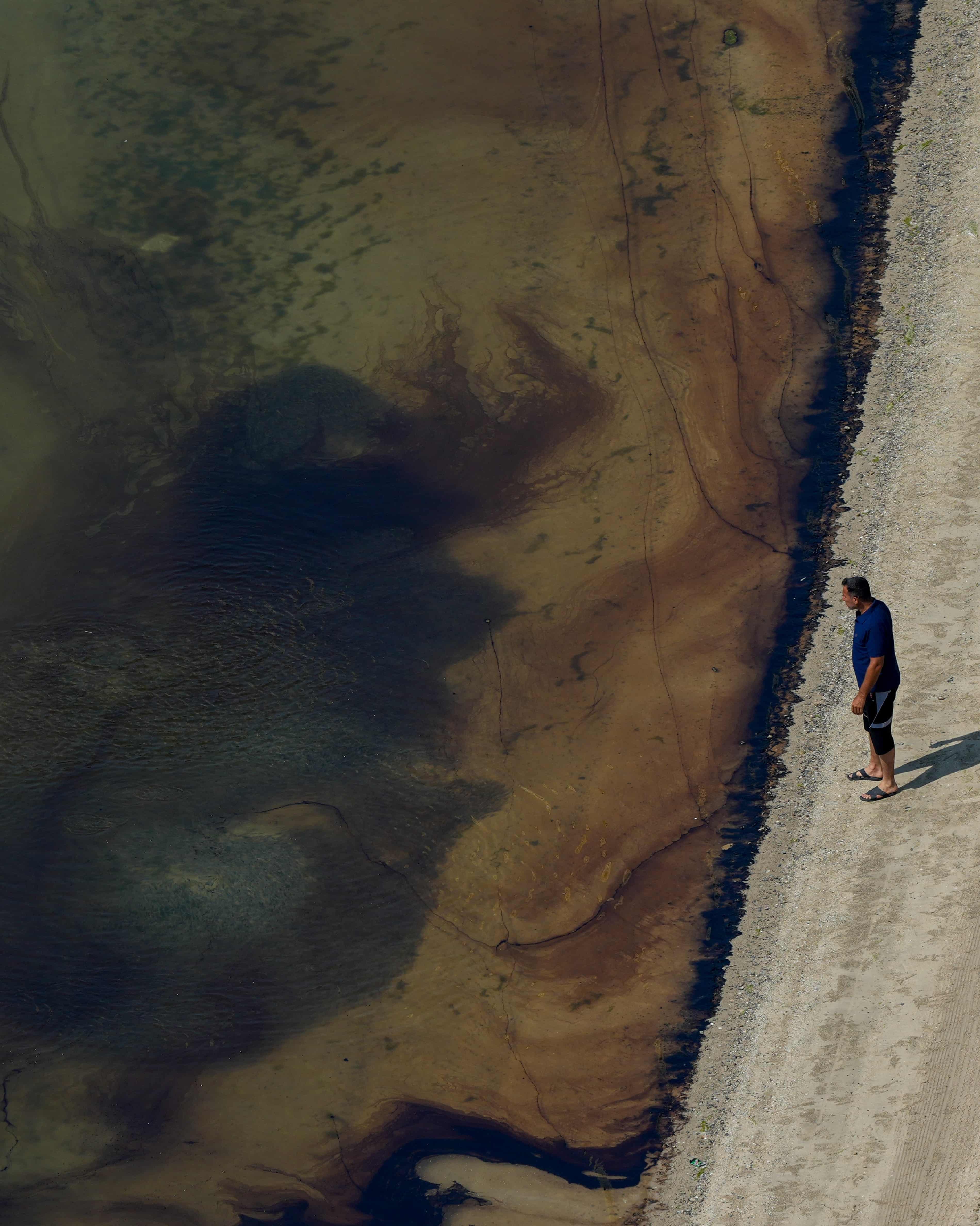
The vast, dark slicks in the strait of Hormuz are visible from space. Throughout October, oil tankers were struck by missiles or sea mines in the waterway and spilled crude into the sea. The pollution has spread across the Gulf, contaminating coastlines and threatening to cause lasting damage to marine ecosystems that are home to dolphins, sea turtles and countless species of fish.
Eight months into the war between the US and Iran, one of the world’s busiest oil shipping routes has become a battlefield and the centre of a <a href="https://www.dw.com/en/iran-war-oil-slicks-environmental-catastrophe-tankers-hit-by-missiles-protected-ecosystems/a-79327092″ rel=”nofollow noopener” target=”_blank”>growing environmental disaster.
The naval blockade of the strait has made documenting the pollution from on the ground almost impossible. But analysis of satellite images, combined with the testimony of environmental experts and marine biologists, can help build up a picture.
Ecosystem at risk
The strait of Hormuz, the only maritime passage between the Gulf and the Arabian Sea, is home to a rich but fragile marine environment including coral reefs, mangrove forests and seagrass meadows that support a wealth of marine life.
It plays a vital role in the circulation of water and nutrients and serves as a migration route for marine mammals. Even in peacetime, its ecosystems have faced mounting pressure from shipping, oil extraction and coastal development.
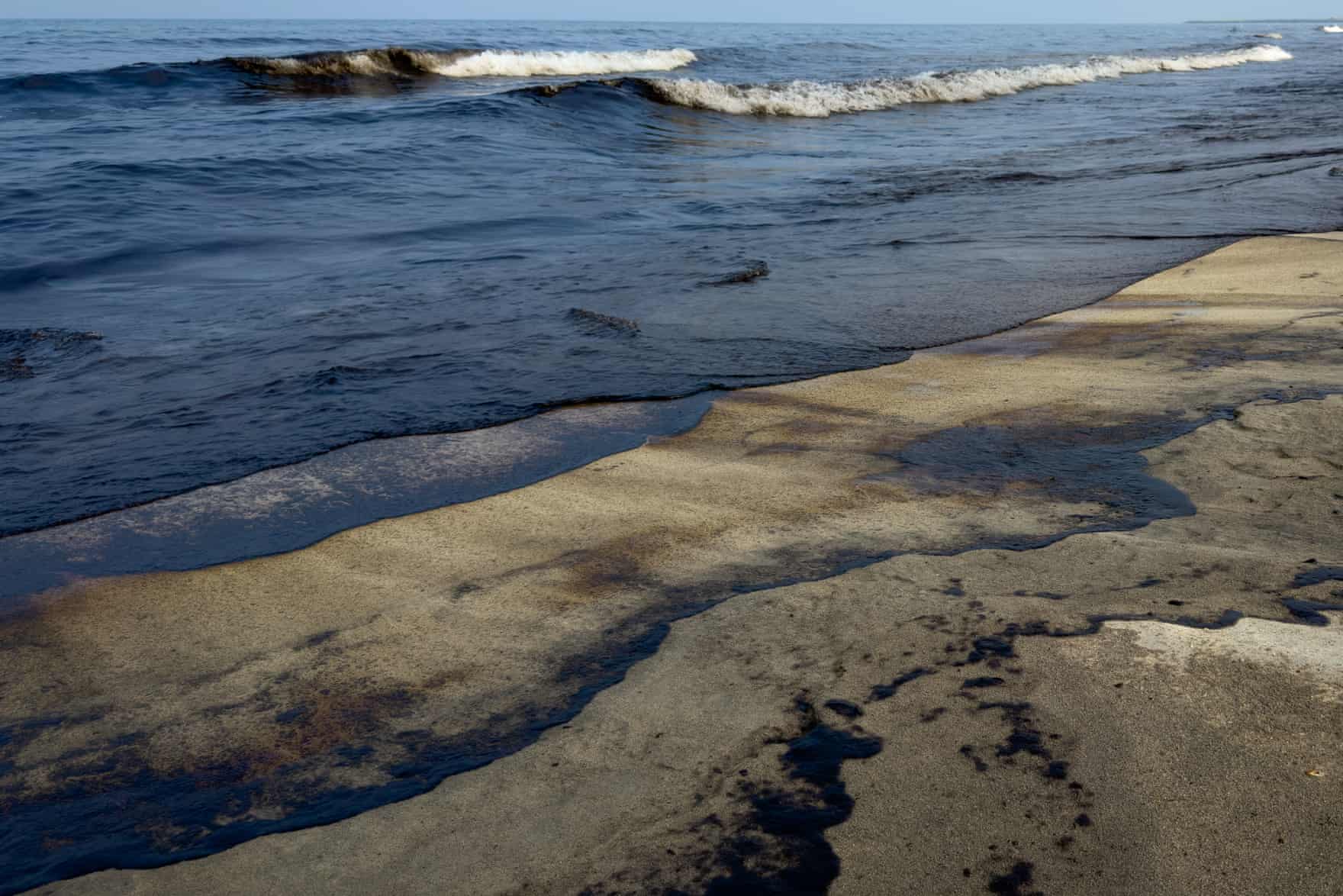
Oil can coat birds’ feathers, making it difficult for them to float and find food. It can cover mangrove roots, preventing the trees from absorbing oxygen and potentially killing them.
Bernhard Riegl, a marine biologist at Nova Southeastern University in Florida, who has studied the Gulf for more than 30 years, warned that the war could cause lasting damage to its confined waters, already under severe pressure from the climate crisis.
“Since the Gulf is shallow, and summer is the least windy period of the year, atmospheric heat is rapidly translated into ocean heat. That heat kills corals, algae, fishes. There is no cold, deep water that could mix and buffer this heat,” Riegl said.
“Everybody knows that oil in water is not good. The potential for additional damage is significant. There is no such thing as a ‘clean war’. Not for the unlucky humans that are drawn into it, nor for the unlucky environment in which the conflict takes place.”
Strikes and spills
Since the war began on 28 February, Greenpeace has identified more than 500 instances of oil spills through satellite monitoring across the Gulf, the strait of Hormuz and the Arabian Sea. The findings include major spills linked to attacks on vessels, as well as others detected around the time of strikes but whose origins could not be confirmed.
“Adding together the daily mapped footprints [of the spills] gives a cumulative total of approximately 20,000 square kilometres – almost the size of Wales,” said Nina Noelle, a Greenpeace expert on environmental disaster relief.
More than 133 attacks on oil tankers have taken place since the beginning of the conflict with more than 30 confirmed or reported attacks in the strait of Hormuz and surrounding waters, according to the Washington Institute for Near East Policy. The attacks have continued into November
Among the most polluting of the October attacks was a strike on the supertanker Gem No 2 off the coast of the United Arab Emirates, which left a slick stretching more than 21 miles (35km). A satellite image dated 19 October shows a huge patch of black moving into the clear waters off the coast of Umm Al Quwain.
Greenpeace estimates that an attack on a tanker in early June resulted in a slick off the coast of Oman that covered more than 600 sq km (230 sq miles) at its peak. Two Iranian naval vessels hit in March continued leaking oil for months, said Wim Zwijnenburg, an environmental researcher with the Dutch peace organisation Pax.
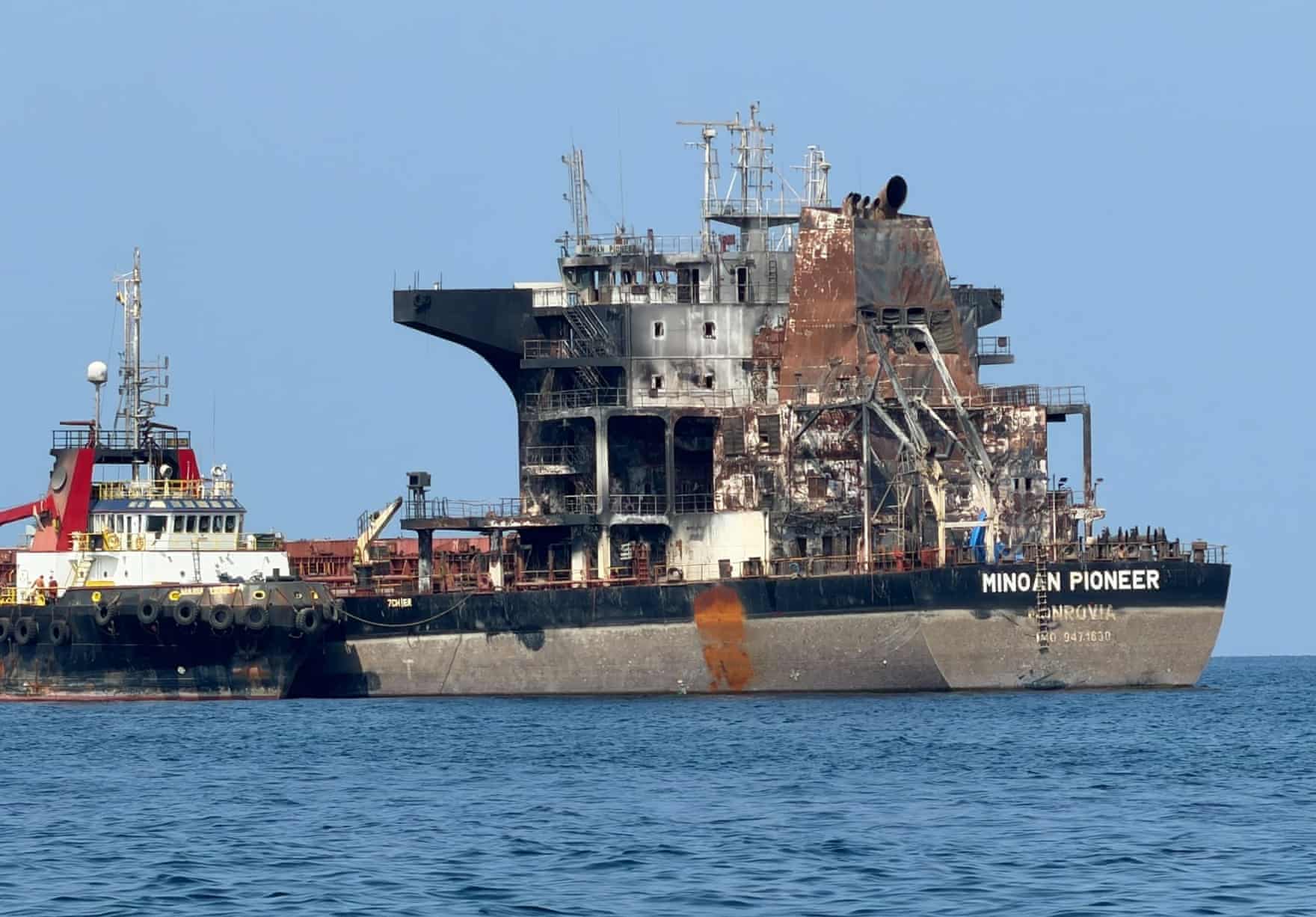
An attack on the Liberian-flagged Minoan Pioneer on 3 August has also been linked to a major slick.
Oil pollution has reached several coastlines since the war began. In March, a slick from the Shahid Bagheri was detected near the Hara mangroves. In April, pollution threatened the protected Shidvar Island, home to coral reefs, seabirds and turtles. Oil was also reported washing ashore at Qeshm Island in August, near important fishing grounds and turtle nesting sites.
Satellite imagery also shows slicks near Oman’s Musandam national park and Iran’s Minab River delta, two areas rich in wildlife. Musandam is home to coral reefs and seabird breeding grounds, while the Minab delta has protected mudflats and forests of mangroves.
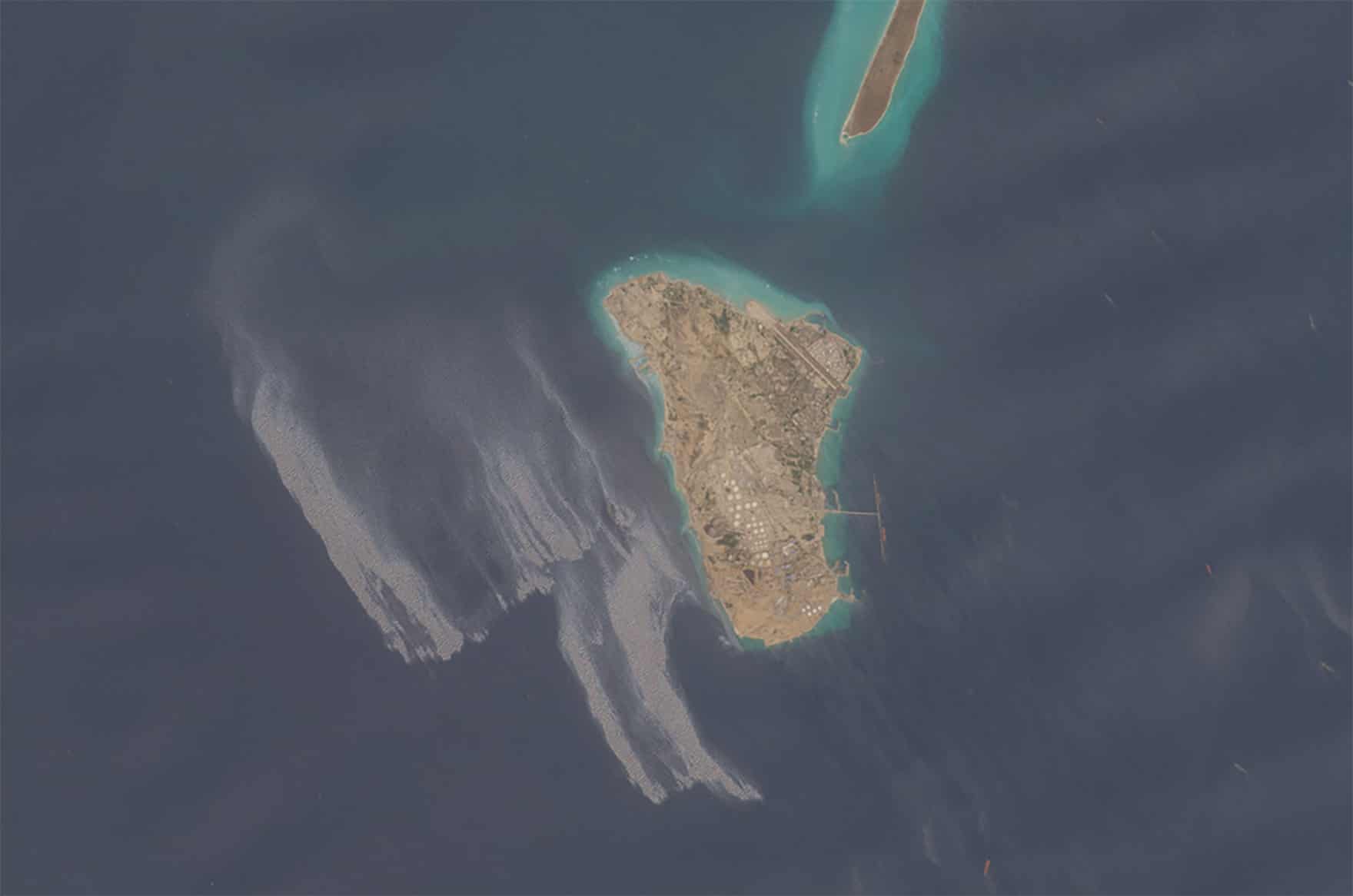
Environmental organisations are continuing to analyse satellite imagery but warn that the full extent of the damage cannot be established without investigations on the ground, which remain extremely difficult. Some of the researchers and environmentalists contacted for comment in Iran and Gulf states said they had been instructed by domestic authorities not to speak publicly about the environmental damage caused by the war.
Establishing responsibility is not straightforward, but Iran’s Islamic Revolutionary Guard Corps (IRGC) has been blamed for most of the attacks. US forces have also targeted tankers, disabling Iranian vessels attempting to cross a US naval blockade and striking others in response to Iranian missile attacks on US warships.
According to a Wall Street Journal report, the largest oil spill was caused by a strike carried out by the UAE’s air force on oil storage tanks on Lavan Island. The strikes resulted in crude oil flushing into the Gulf and affecting coastal areas, including the nearby nature reserves of Shidvar Island.
The damage ahead
In some instances, countries bordering the strait have responded to spills. After the attack on the Gem No 2, for instance, the UAE closed beaches, launched a major cleanup and monitored its desalination plants. Authorities said on 30 October that the leak had been stopped and pollution was declining.
In Oman, divers and equipment were deployed to a damaged vessel and crews cleared oil from 7 miles of coastline near the Hallaniyat Islands.
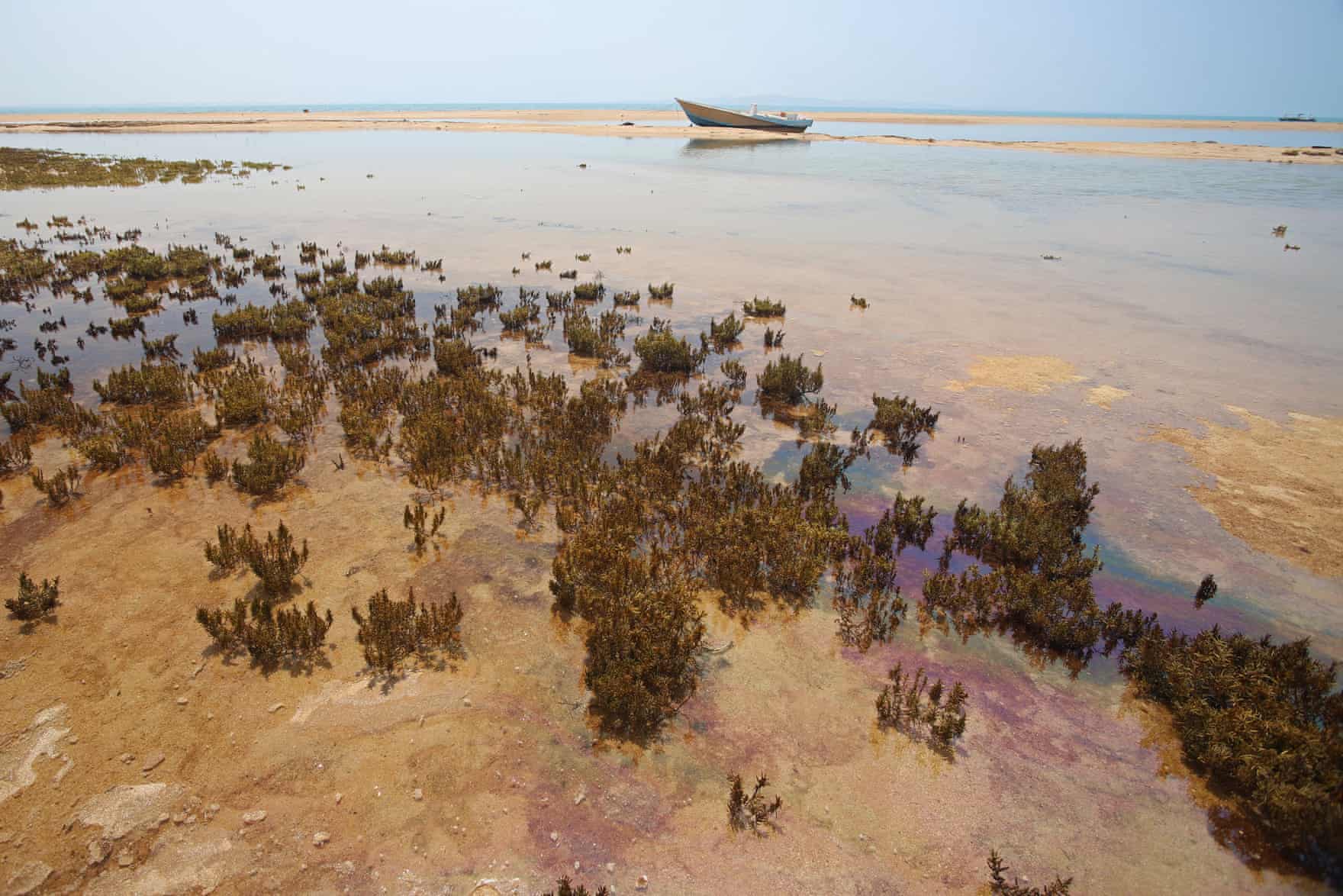
But the wider environmental damage may prove far harder to contain. “Oil could remain trapped in sediments, shorelines and mangrove roots long after slicks disappear, damaging marine food chains and threatening coastal communities dependent on fishing,” Noelle said.
Contamination can affect organisms ranging from small invertebrates to fish, birds and turtles. “Mangroves and coral reefs can take decades to recover, particularly when oil persists in sediments,” she added. “Repeated spills, such as those in the strait of Hormuz, risk worsening the damage.”
Riegl said the aftermath of the Iran-Iraq war of the 1980s and the first Gulf war, when tankers, loading facilities and oilfields were targeted, provided evidence of the lasting impact of large-scale oil pollution on Gulf ecosystems.
A 2020 study traced widespread deposits of tar – the thick, sticky residue left as crude oil breaks down – on Qatari beaches to the Gulf war. A study in 2022 found sediment on Saudi Arabia’s Abu Ali Island still contaminated by oil from the 1983-85 Nowruz spills during the Iran-Iraq war, which collectively leaked 80m gallons of crude into the sea.
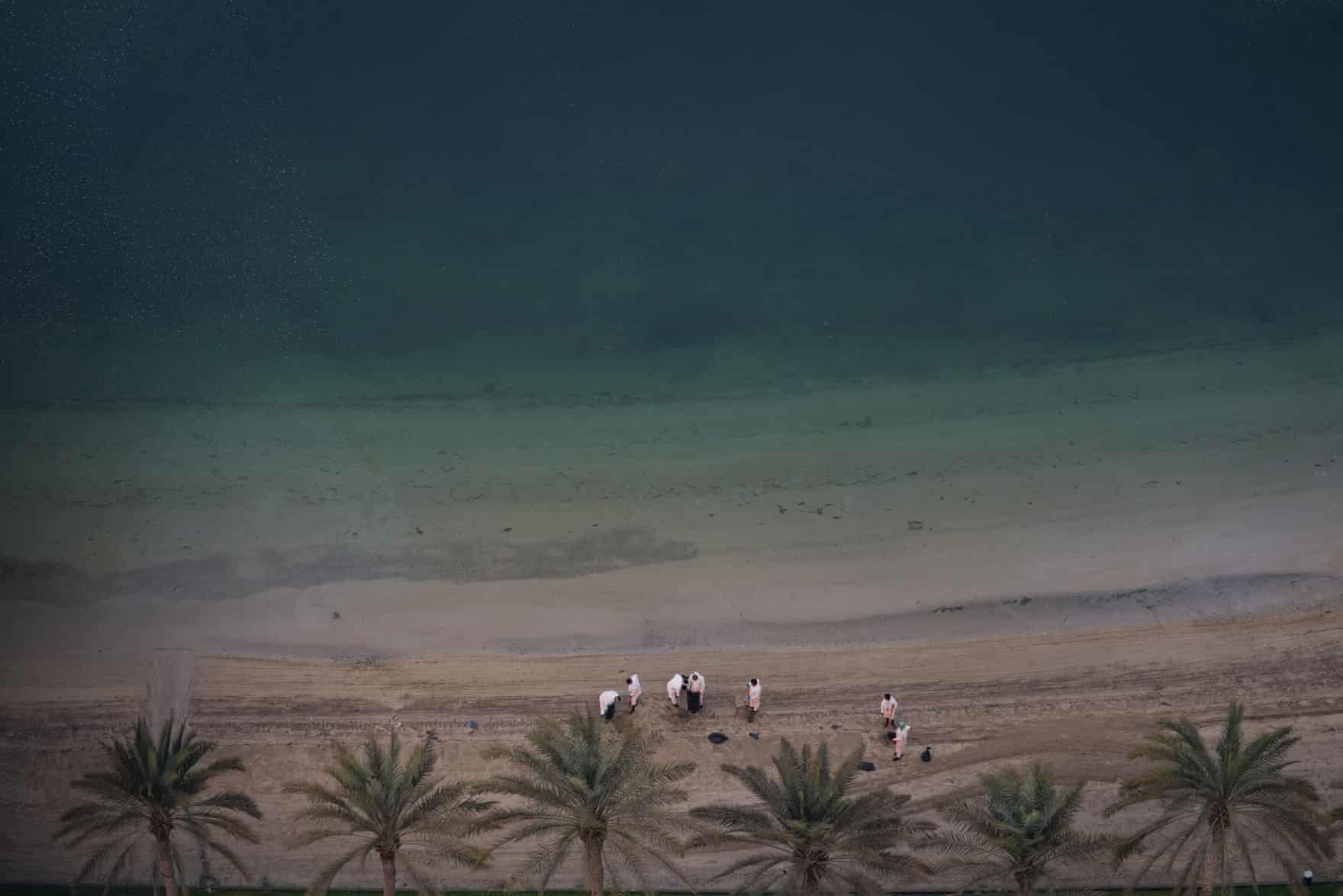
Riegl said: “Any organism that has to dig into beaches[affected by spills], like sea turtles when they lay eggs, will encounter the contaminated strata and adverse effects can be expected. Burrowing organisms like ghost crabs will continue to bring contaminated material to the surface.
“Clearly, the effects of large-scale oil pollution remain detectable for decades – so this is a generational problem. We could really lose something irreplaceable.”
Explore more on these topicsReuse this content
Source: www.theguardian.com
