



US military says the restrictions on the electric vehicles at Kadena airbase also apply to delivery drivers and taxis
One of America’s biggest overseas military bases has banned vehicles made by the Chinese electric vehicle maker BYD over security concerns, the US military in Japan said on Tuesday.
The ban, which went into effect this week at Kadena airbase on the southern Japanese island of Okinawa, has fueled speculation that similar measures could be taken at other US military facilities as part of Washington’s crackdown on Chinese technology it suspects of being used to collect sensitive information.
“These vehicles present an unacceptable and unmitigable risk to our personnel and our mission,” Lieut Col Alli Stormer, a spokesperson for the US air force 18th Wing at Kadena, said in a statement.
The restrictions apply to all BYD vehicles, including privately owned cars, taxis and delivery vehicles, reports said, adding that security personnel stationed at the base’s gates had been instructed to block BYD vehicles and instruct drivers to turn around.
Kadena, the biggest US air force base east Asia, would be directly involved in responding to a crisis involving China, Russia or North Korea.
Its inventory includes the powerful Typhon missile system, which is said to be capable of firing Tomahawk missiles as far as 1,600km, putting parts of China and Russia within striking distance. Kadena also hosts fighter planes and aircraft used for mid-air refuelling, surveillance and reconnaissance, according to its website.
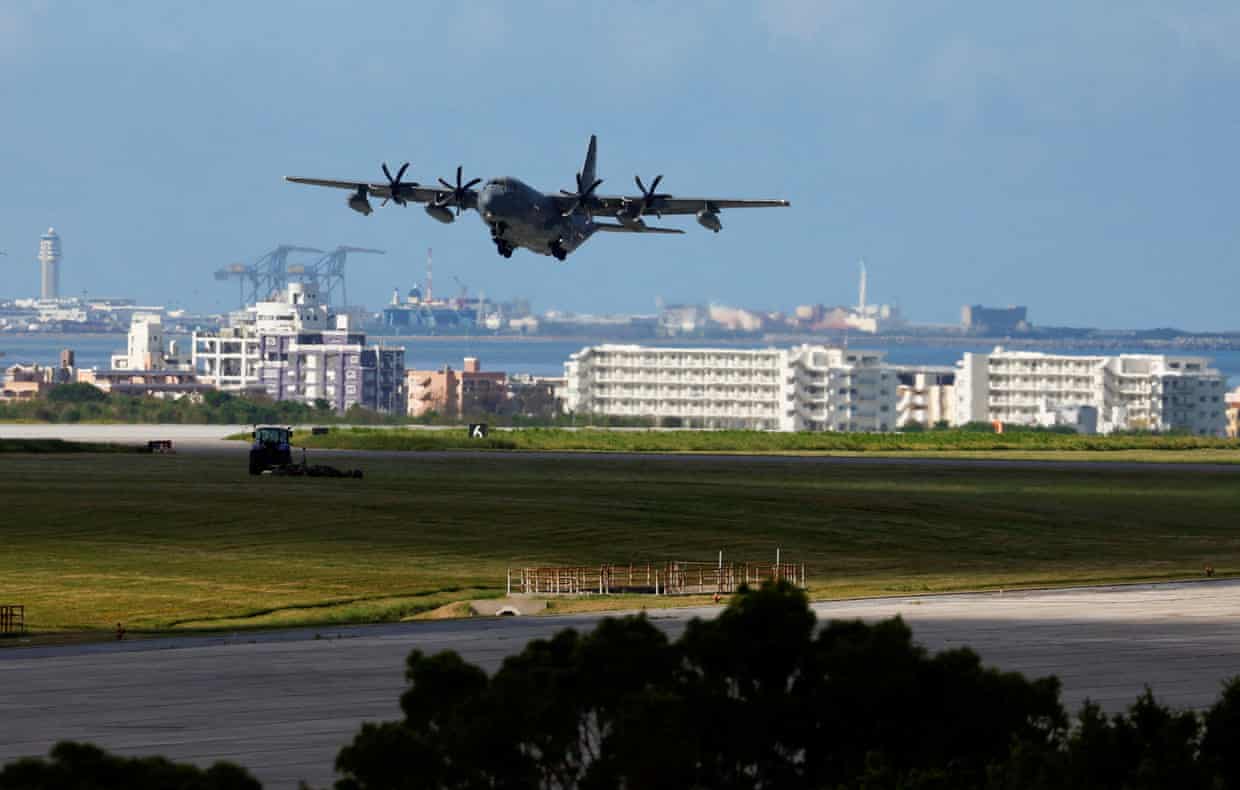
The move comes amid concerns of potential information leaksS devices, South Korea’s Yonhap news agency said
American military officials have not identified a specific threat, but the ban is part of wider measures taken by the US and other western countries to restrict Chinese smart technology in vehicles, mobile phones and other devices they fear could be used to “spy” on their owners.
In June the Pentagon added BYD to a list of 188 Chinese firms it believes have ties to the country’s military, drawing a protest from Beijing. The blacklist also includes the automaker Nio, e-commerce firm Alibaba and internet company Baidu.
The US defence department banned the sale and use of smartphones from Chinese companies Huawei and ZTE at military bases worldwide in 2018, again citing security concerns.
China has imposed similar restrictions on US-made Tesla vehicles. In 2021, it barred them from some government compounds due to security concerns over cameras installed on the vehicles. Beijing removed that restriction in 2024 after Tesla won an endorsement from the country’s top auto industry association.
BYD, which has not immediately responded publicly to the Kadena ban, overtook Tesla as the world’s biggest seller of battery-electric vehicles in 2025.
It is now expanding overseas, including in the world’s fourth-biggest auto market, Japan, where in July it launched its Racco electric minicar in the hope that the small, cost-efficient vehicle would carve out a place in a market dominated by domestic brands.
Explore more on these topicsReuse this content
Source: www.theguardian.com
