



French president will decide on concrete ‘next steps’ regarding demonstrations on Friday as part of tough security response to recent rioting
-
Angry lawyers and bewildered defendants: the fallout from fast-tracking French rioting cases
Emmanuel Macron has said “illegitimate” demonstrations will be banned over the coming days as France seeks to get a grip on civil unrest after some of its worst street violence in years erupted on the fringes of cost of living protests at the weekend.
Speaking after a meeting with intelligence chiefs and senior ministers, the French president said on Thursday that demonstrations organised by recognised groups would be allowed to go ahead, although their routes could be changed.
Protests requested by “individuals or groups with no legitimate authority” would be banned, Macron said. Requests by organisations such as trade unions would be “examined in accordance with the law” but may have to use alternative routes.
The measures were necessary to protect city centres, businesses and public buildings, he said, adding: “The rules are simple and I think they’re commonsense. The general recommendation is that there should be no demonstrations in the coming days.”
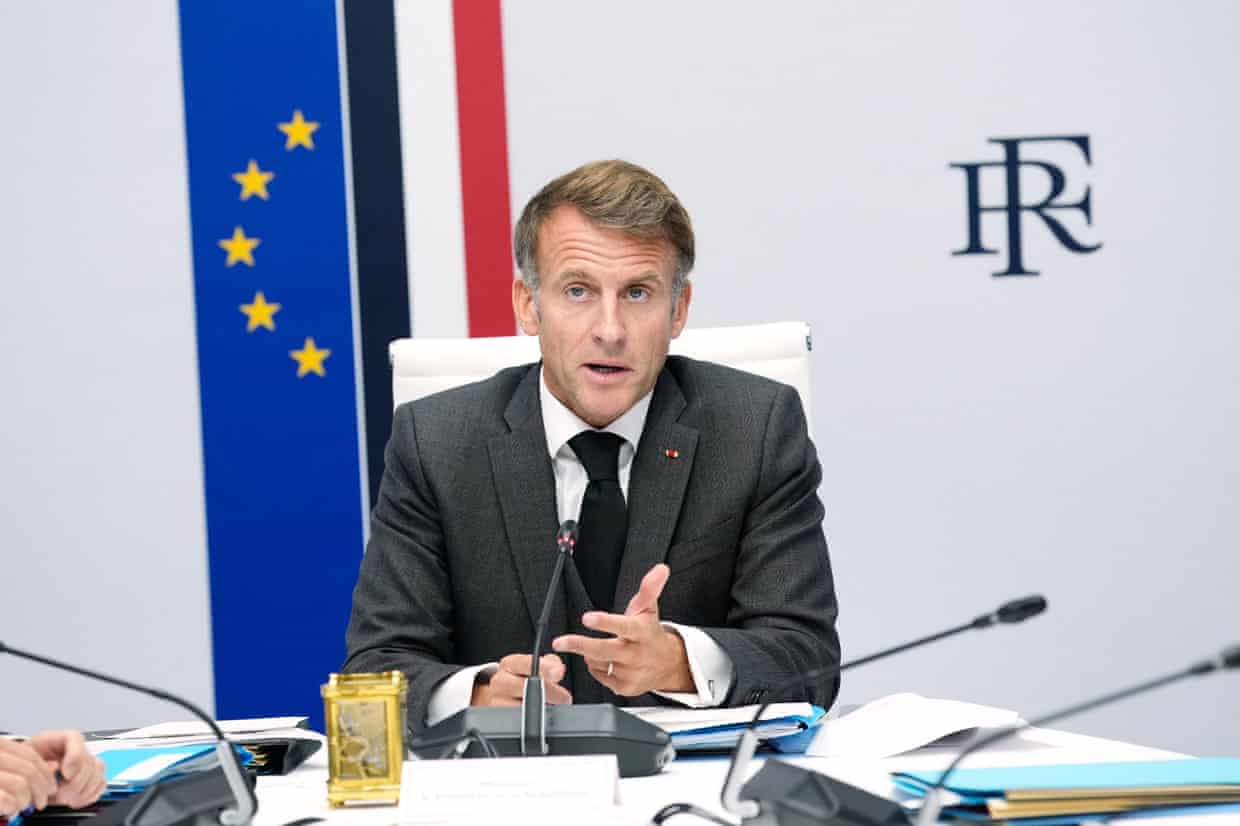
Macron blamed much of last weekend’s unrest and looting on rioters who came expressly to loot, but said the worst of the violence was due to “political and seditious acts by ultra far-left groups who aimed to bring down the Republic”.
“The priority is a return to calm,” he said, adding that he would chair a defence council meeting of key ministers on Friday to decide concrete “next steps” for new nationwide demonstrations called for Saturday and afterwards.
An initial police ban on a student protest planned in Paris for Thursday was later overturned by a court, but marches also scheduled for that day in Grenoble, Rouen, Le Havre and Toulon were halted.
Authorities have already declared a ban on “all protests” on Saturday in the centre of the Lyon, France’s third-biggest city, where between 200 and 300 shops were ransacked and looted last weekend and the tourist office was set ablaze.
Authorities in Marseille, Nice and Toulon announced similar bans for Saturday. In Paris, a march planned for Saturday to be held in the east of the capital, starting at Place de la Bastille, was authorised but banned from heading into the city centre.
However, a separate march through the capital planned for Saturday by students and some members of the gilets jaunes (yellow vests) movement, whose protests over fuel prices rocked France in 2018 and 2019, would not be permitted, authorities in the capital said.
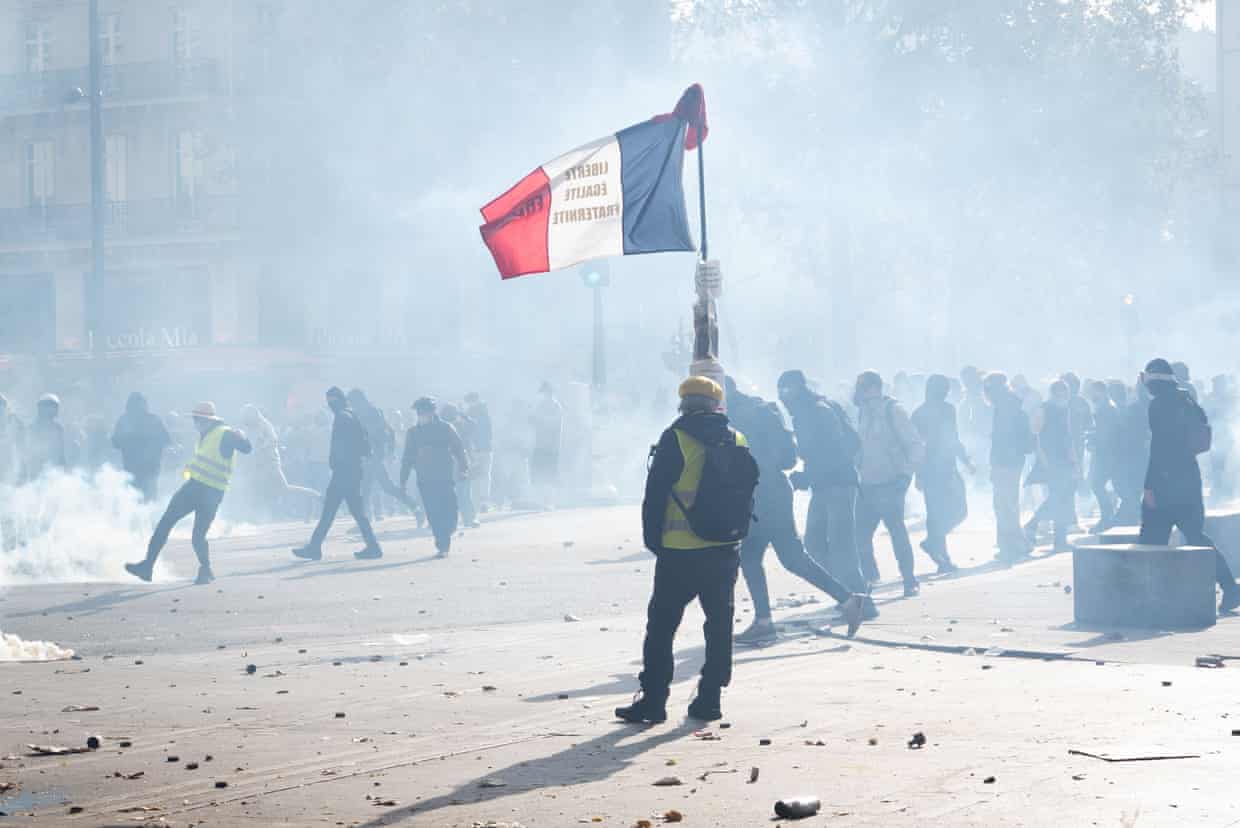
France’s main student union, UNEF, has also called for rallies on Saturday. Businesses in central Paris and other cities had already begun boarding up their windows and hiring private security in preparation for violence, French media reported.
The justice minister, Gérald Darmanin, said 174 of the 2,500 people arrested since last weekend’s rioting had been remanded in custody and more than 900 were being prosecuted. Two people have been arrested after Limoges town hall was set on fire.
The prime minister, Sébastien Lecornu, was hosting a meeting of key figures from France’s main political parties on Thursday to hear their views and seek cooperation, and was due to meet several big city mayors later in the day.
The tough security response has included partial night-time curfews in parts of several cities including Paris, as well as bans on gatherings in areas such as around the Elysée presidential palace, the parliament and the city’s main train stations.
The demonstrations began last month in a high school in Créteil, south-east of Paris, over staff shortages and dilapidated buildings and spread nationwide, with strikes, blockades and demonstrations by high school pupils around the country.
Those demonstrations have morphed into larger protests over soaring living costs, six months before next year’s presidential elections that will choose Macron’s successor.
Explore more on these topicsReuse this content
Source: www.theguardian.com
