


Close Menu
Warsaw.Today
    What's Hot

    Big pharma accused of ‘free-riding on nature’ as global fund attracts just $7,000

    October 22, 2026

    Barclays to cut 5,000 jobs as it turns to AI to improve efficiency

    October 22, 2026

    Zelenskyy appears to mock Witkoff for his praise for ‘humanitarian’ Putin after Kyiv attacks

    October 22, 2026
    Facebook X (Twitter) Instagram
    Trending
    • Big pharma accused of ‘free-riding on nature’ as global fund attracts just $7,000
    • Barclays to cut 5,000 jobs as it turns to AI to improve efficiency
    • Zelenskyy appears to mock Witkoff for his praise for ‘humanitarian’ Putin after Kyiv attacks
    • Refusing to cross, cannot escape: Seafarers recount Hormuz dangers
    • Beau Lamarre-Condon visits McDonald’s drive-thru in van allegedly used to dispose of bodies, in CCTV shown to jury
    • Italy’s truckers’ protests leave supermarket shelves empty
    • Can Russia broker a new US-Iran deal?
    • Did Slow Horses’ season finale cliffhanger give us a major James Bond casting clue?
    Facebook X (Twitter) Instagram
    Warsaw.TodayWarsaw.Today
    Demo
    • Home
    • News
    • World
    • Sports
    • Business
    • Culture
    • Politics
    • Travel
    • Technology
    Warsaw.Today
    Home»News»Can AI help healthcare move from treatment to prevention?
    News

    Can AI help healthcare move from treatment to prevention?

    Peter NovakBy Peter NovakOctober 13, 20262 Comments0 Views
    Facebook Twitter Pinterest LinkedIn WhatsApp Reddit Tumblr Email
    Can AI help healthcare move from treatment to prevention?
    Share
    Facebook Twitter LinkedIn Pinterest Email

    AI could help identify people at risk of developing certain conditions before they become ill, allowing healthcare providers to intervene earlier. But technology alone will not deliver that change.

    Europe’s population is ageing, putting growing pressure on already stretched healthcare systems.

    But what if the answer lies not just in being more efficient in treating illnesses, but in preventing them in the first place?

    Artificial intelligence could help make that shift possible. But, as Ricardo Baptista Leite, CEO of HealthAI, the global agency for responsible AI, argues, it will take more than technology alone.

    “If you retrofit AI into an inefficient system, it just makes you very efficient at being inefficient,” he told Euronews.

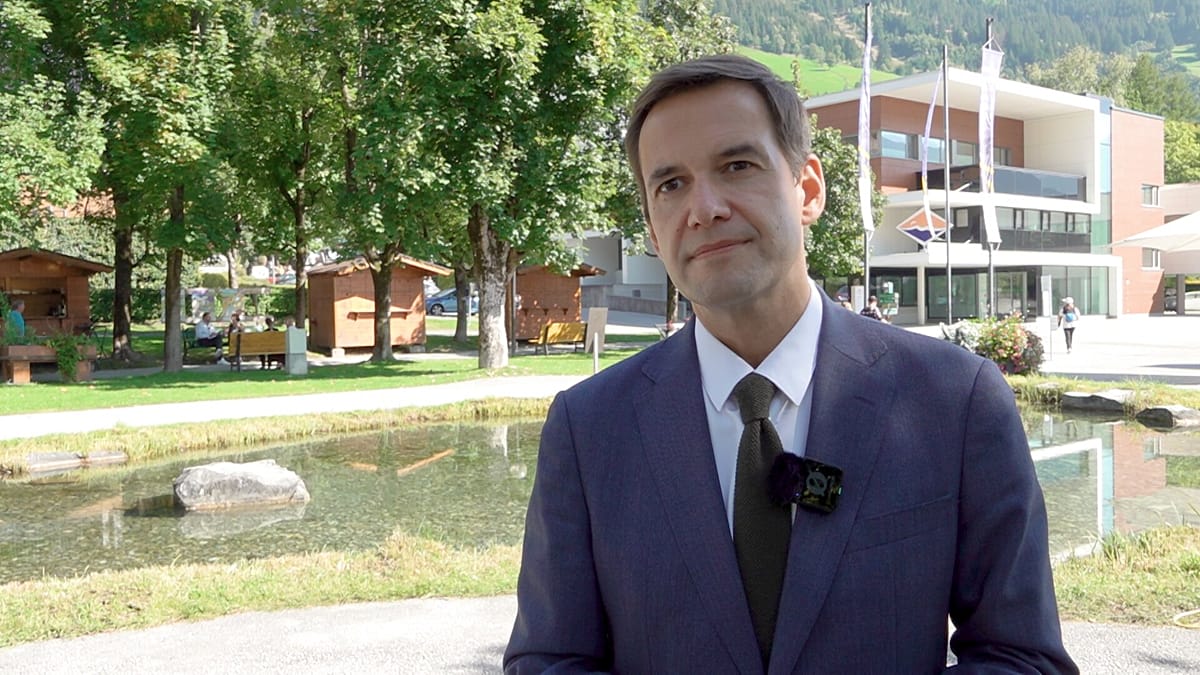
    “Technology is not going to save us alone,” says Baptista Leite, CEO of HealthAI. Healthcare systems also need to change the financial incentives that reward treatment rather than prevention.

    Hospitals are often paid to treat patients, he argues, rather than to keep them healthy. Moving towards prevention would require new funding models that reward early intervention and proactive monitoring.

    The goal, Baptista Leite says, is not simply to save someone after a heart attack, but to prevent it from happening in the first place.

    Ensuring safety

    But scaling up AI in healthcare will depend on another factor: trust.

    Patients and healthcare professionals need confidence that the technology is safe, and that its benefits outweigh the risks. That requires oversight that continues after a system has been approved and introduced into clinical practice.

    Recently, the WHO Europe chief Hans Henri P. Kluge warnedthat while AI solutions are being deployed across European hospitals, only a few countries govern them, putting patients at risk.

    Two-thirds of the 53 WHO Europe countries are already deploying AI diagnostics and half of the countries have AI-powered patient chatbots, but only a few — one in 12 — have strategies for how to govern AI.

    That’s a “concerning” picture, Kluge said, stressing that this can take a toll on human health. “All of this erodes public trust in health systems more broadly,” he warned.

    HealthAI is working with regulators in 10 countries to develop a global early warning system designed to identify adverse events and share information about emerging risks.

    “These kinds of mechanisms will allow us to avoid harm at scale, if something does go wrong, so that we can detect it in time and keep citizens safe,” he said.

    Source: www.euronews.com

    From healthcare help move treatment
    Share. Facebook Twitter Pinterest LinkedIn Tumblr Telegram Email
    Peter Novak
    • Website

    Related Posts

    Barclays to cut 5,000 jobs as it turns to AI to improve efficiency

    October 22, 2026

    Refusing to cross, cannot escape: Seafarers recount Hormuz dangers

    October 22, 2026

    Italy’s truckers’ protests leave supermarket shelves empty

    October 22, 2026

    2 Comments

    1. Pingback: The return of the prodigal son? Why speculation is rising over Josh Frydenberg’s future - Warsaw.Today

    2. Pingback: Helix Carbon says it can make iron cheaper by recycling blast furnace pollution - Warsaw.Today

    Leave A Reply Cancel Reply

    WARSAW WEATHER
    Economy News

    Big pharma accused of ‘free-riding on nature’ as global fund attracts just $7,000

    By Peter NovakOctober 22, 20260

    The Cali Fund, set up to raise $1bn a year for biodiversity from drug companies, remains near empty

    Barclays to cut 5,000 jobs as it turns to AI to improve efficiency

    October 22, 2026

    Zelenskyy appears to mock Witkoff for his praise for ‘humanitarian’ Putin after Kyiv attacks

    October 22, 2026
    Top Trending
    World

    Switzerland’s neutrality vote is asking the wrong question

    By Peter NovakSeptember 25, 20260

    On September 27, Switzerland votes on whether to lock a stricter definition of neutrality into its constitution. The initiative would bar Switzerland from cooperating with a military alliance unless it were under military attack or such an attack were being prepared, and prevent it from imposing sanctions on a belligerent state unless those sanctions were…

    Technology

    Apple’s hyper-pricey M5 Ultra Mac Studio made me into a vibe coder

    By Peter NovakSeptember 25, 20260

    When Apple was using Intel processors and AMD GPUs, the idea of an expandable and upgradeable tower made sense. But Apple Silicon chips bring the CPU, GPU, and memory interface all under one roof in a way that makes that sort of upgradeability not just superfluous but impossible. At least not without breaking some of…

    News

    What is working and what is holding them back

    By Peter NovakSeptember 25, 20260

    This article was authored by Jens Teutrine, DACH representative (Germany, Austria and Switzerland) at the Consumer Choice Center, and a former Member of Germany’s Federal Parliament. The views expressed in this article are those of the author and do not necessarily reflect the official policy or positions of EU Tech Loop or Euronews.

    Subscribe to News

    Subscribe to receive the latest breaking news, local updates, and top stories from Warsaw delivered to your inbox.

    Warsaw.Today is your trusted source for breaking news, local updates, business, politics, technology, sports, culture, and events from Warsaw, Poland—all in one place.

    Facebook X (Twitter) Instagram Pinterest YouTube

    Big pharma accused of ‘free-riding on nature’ as global fund attracts just $7,000

    October 22, 2026

    Barclays to cut 5,000 jobs as it turns to AI to improve efficiency

    October 22, 2026

    Zelenskyy appears to mock Witkoff for his praise for ‘humanitarian’ Putin after Kyiv attacks

    October 22, 2026

    Subscribe to Updates

    Subscribe to receive the latest breaking news, local updates, and top stories from Warsaw delivered to your inbox.

    © 2026 ThemeSphere. Designed by ThemeSphere.
    • About Us
    • Get In Touch
    • Disclaimer
    • Privacy Policy
    • Terms and Conditions

    Type above and press Enter to search. Press Esc to cancel.